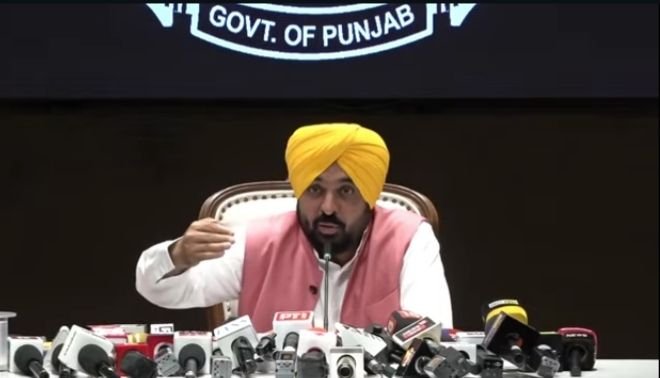
In one of the most significant workforce welfare initiatives undertaken by the Punjab Government, Chief Minister Bhagwant Mann-led administration has announced a major policy reform aimed at providing greater job security and employment benefits to outsourced employees working across various government departments and institutions.
The decision is expected to benefit more than 65,000 outsourced workers across the state and is being viewed as a landmark step towards improving employment conditions, reducing dependence on private contractors and strengthening workers’ rights.
Under the new framework, outsourced employees who have long been working through private contractors will gradually be brought under direct government contracts. The move is intended to eliminate the intermediary role of contractors and establish a more transparent and employee-friendly system of engagement.
According to the policy, employees who have completed five years of continuous service will be eligible to be placed directly under government contracts. For workers engaged in hazardous or high-risk duties, the eligibility period has been reduced to three years, recognizing the nature of their work and the risks associated with their responsibilities.
Government sources indicate that approximately 26,400 employees will receive immediate benefits under the new arrangement and will come directly under the administrative control of the government in the initial phase itself.
The reform is expected to bring substantial improvements in the working conditions of thousands of employees who have, for years, expressed concerns regarding job insecurity, delayed payments and the lack of social security benefits while working through outsourced agencies.
One of the most significant features of the policy is the introduction of direct salary payments. Instead of wages being routed through contractors, employees will now receive their salaries directly into their bank accounts. This is expected to improve transparency, eliminate unnecessary deductions and ensure timely payment of wages.
The government has also announced that employees covered under the new policy will be entitled to statutory benefits and labour protections. These include Provident Fund (PF), Employees’ State Insurance (ESI), gratuity and other benefits available under applicable labour laws.
Officials believe the reform will not only enhance the financial security of workers but also improve morale and productivity across departments where outsourced staff play a critical role in service delivery.
Another major safeguard introduced under the policy relates to job protection. Employees can no longer be removed arbitrarily without due process. Before any termination action is taken, authorities will be required to provide written reasons and ensure that the concerned employee is given an opportunity to present his or her case.
Labour welfare advocates have long argued that outsourced employees often face uncertainty regarding their future despite serving government institutions for many years. The latest decision is being viewed as an attempt to address those concerns and provide a more stable working environment.
The policy is also expected to strengthen administrative accountability by ensuring a direct relationship between the government and employees, thereby reducing disputes associated with contractor-based employment arrangements.
Political observers describe the announcement as one of the most comprehensive employment and employee welfare reforms introduced by the Mann Government since assuming office. The move is likely to have a far-reaching impact on thousands of families that depend on outsourced government employment for their livelihood.
Supporters of the policy argue that it represents a shift towards a more worker-centric governance model, while also improving transparency in public employment practices. They believe the decision could serve as a model for similar reforms in other states facing challenges related to contractual and outsourced workforce management.
As the implementation process begins, employees across Punjab are expected to closely watch the rollout of the policy, which promises greater job security, better social protection and enhanced workplace dignity for a large segment of the state’s workforce.
The decision marks a major milestone in Punjab’s labour welfare landscape and signals the government’s intent to strengthen employee rights while improving the efficiency and transparency of public administration.