The controversy at Lovely Professional University (LPU) has taken a fresh turn after three female students featured in a video released by the university to counter allegations of sexual assault on campus claimed that the recording was used without their consent and that parts of it were edited before being posted on social media.
The development has added another layer to an already tense situation at the Phagwara-based university, where student protests over allegations concerning the safety of a female student had escalated into violence, damage to property and a prolonged blockade of National Highway-44.
The three students, who had appeared in the university’s video, later came forward in another video circulated on social media. They alleged that they had not given consent for the earlier recording to be published and that the version released by the university had been cropped. They also said they were subsequently subjected to abuse and harassment on social media.

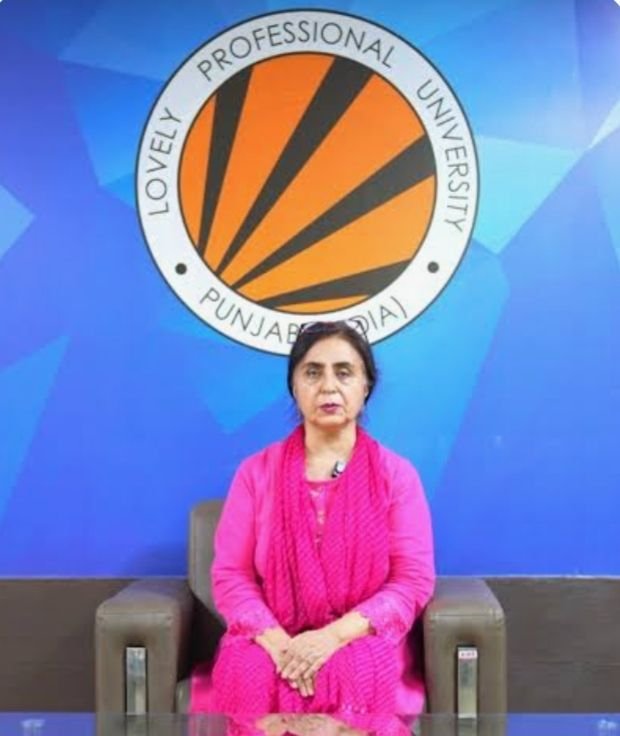
One of the students said their video had been trimmed before being posted on Instagram and that they had not been informed about its publication. Another student said the three had no connection with the incident being discussed and appealed to people to stop targeting them.
The students’ latest claims have created a new question for the university: how was the original video recorded, what was the full context of the conversation, and under whose authority was the edited version released publicly?
The controversy began after claims circulated among LPU students that a female student had allegedly been sexually assaulted on the university campus. The allegations triggered protests, with students demanding action and raising concerns over security and the handling of complaints involving women students.
The protest subsequently escalated sharply. Students vandalised property on the campus and blocked a stretch of NH-44, disrupting traffic on one of Punjab’s busiest road corridors for more than 15 hours. The highway was eventually reopened during the intervening night of Sunday and Monday, and police said the situation had returned to normal.
The confrontation later turned violent, with police officials reporting stone-pelting and attacks on police vehicles. Several policemen were injured, while vehicles and other property were damaged. A heavy police force was deployed around the university as authorities worked to restore order.
Amid the protests, LPU released a video featuring three female students identified as residents of Room 504 in Girls’ Hostel 3. The university presented the video as evidence contradicting the claims circulating about an incident inside the hostel room.
In the video, the students were shown saying that no such incident had occurred in their room and appealing to other students and police personnel not to repeatedly visit the room or disturb them.
The university’s Registrar, Dr Monica Gulati, meanwhile maintained that the allegations circulating about the incident were “false, baseless and fabricated”. She said anti-social elements were spreading rumours and attempting to create confusion among students and damage the reputation of the university.
The latest statements from the three students, however, have complicated the university’s earlier attempt to settle the controversy through the video. The students have now alleged that they were instructed about what to say and that only a portion of their original recording was subsequently posted online. These claims have been reported by multiple media organisations, but they remain allegations and would require independent verification.
The issue is particularly sensitive because the students themselves have become the focus of online attention. Their claim that they are facing abuse and vulgar comments has raised concerns about the consequences of circulating videos involving students during a rapidly developing campus controversy.
The situation also demonstrates the risks of using individual students as the public face of an institutional response before all aspects of a disputed incident have been independently established. Any video released during a crisis can quickly become part of the controversy itself, particularly when the individuals featured later question how it was recorded or edited.
At the same time, the original allegation remains a matter for investigation. Police have registered a case against an unidentified person and constituted a Special Investigation Team. Officials have said that digital and technical evidence will be examined as part of the investigation. The fact that the university has denied the allegation does not by itself establish that the allegation was false, just as the circulation of the allegation does not establish that a crime occurred.
The university’s position remains that the claims were fabricated and intended to tarnish its reputation, while the protesting students have demanded answers concerning campus security and the handling of their concerns. The latest statements by the three students now provide another issue that may require examination: whether they consented to the publication of their video and whether the released version accurately represented their original statements.
Meanwhile, the immediate law-and-order situation has improved. NH-44 has been reopened, police have maintained a strong presence around the university and officials have said the campus is peaceful. LPU has suspended regular classes for 10 days from September 28, while mid-term examinations have been postponed until further notice. Students have been allowed to return home, while those staying on campus have been advised to remain in their hostels or places of residence and avoid involvement in further unrest.
The LPU controversy has therefore moved into a crucial investigative phase. There are now several questions requiring clear answers: what actually happened behind the original allegation, whether any criminal offence took place, how the university responded to the initial claims, and whether the video featuring the three students was recorded and published with their informed consent.
For the students and their families, the priority is the restoration of a safe academic environment. For the university, the immediate challenge is to rebuild confidence while cooperating with the police investigation. And for the authorities, establishing facts through evidence rather than competing versions circulating on social media will be central to preventing another escalation.
With the physical confrontation currently under control, the focus must now shift from protests and speculation to an evidence-based investigation into all the competing claims that have emerged during the LPU crisis.