

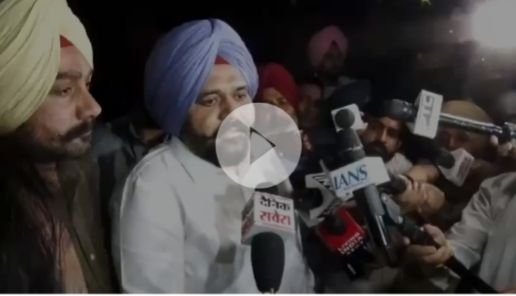
Chandigarh:। Rajbir Singh Ghuman, Officer on Special Duty (OSD) to Punjab Chief Minister Bhagwant Mann, appeared before the Central Bureau of Investigation (CBI) in Chandigarh on Monday for a second round of questioning in an alleged corruption and influence-peddling case that has brought government postings, tenders and administrative decisions under scrutiny.
The investigation follows an October 5 order of the Punjab and Haryana High Court directing the registration of a First Information Report (FIR) and a probe into allegations that corruption and undue influence may have affected government decisions. The case has attracted attention in Punjab because of its potential implications for administrative transparency, the process of awarding tenders and the appointment or posting of government officials.
The Supreme Court has declined to stay the FIR or halt the investigation. However, it has directed that no coercive action be taken against Ghuman at this stage. This protection does not amount to a finding on the merits of the allegations, nor does it prevent investigators from continuing their inquiry.
Ghuman’s appearance at the CBI office also saw a disagreement over entry arrangements. According to the available account, his vehicle was stopped at the gate and he was asked to park outside and enter the premises on foot. His lawyer, GPS Ghuman, objected to being denied permission to accompany his client inside the agency’s office, adding a procedural dispute to an already sensitive investigation.
The second round of questioning is significant because investigators are continuing to examine allegations concerning the exercise of influence in government functioning. The precise questions put to Ghuman and the evidence, if any, discussed during Monday’s questioning have not been detailed in the information provided.
For the people of Punjab, the central issue is whether the investigation can establish the facts behind the allegations and determine whether any public office or administrative process was improperly used. Government appointments, tender decisions and official postings directly affect public administration, the use of state resources and public confidence in institutions.
At the same time, allegations must be distinguished from proven wrongdoing. Ghuman’s appearance before the CBI does not establish his guilt, and the investigation must proceed in accordance with the law. The final outcome will depend on the evidence gathered, the findings of the investigating agency and any subsequent judicial proceedings.
The case is likely to remain under close public and political scrutiny as the CBI continues its inquiry. Its findings could have wider implications for the debate over accountability and transparency in Punjab’s administration, but conclusions about individual responsibility must await the evidence and due legal process.