
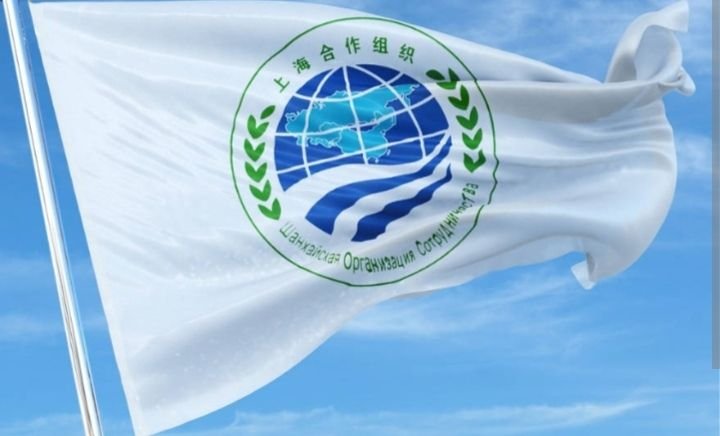
NEW DELHI: India is set to host the inaugural Shanghai Cooperation Organisation (SCO) Civilisational Dialogue Forum in New Delhi from November 20 to 22, 2026, extending invitations to all member countries, including Pakistan, in a move that brings cultural diplomacy into focus amid continuing tensions between the two neighbours.
Pakistan’s Federal Minister for National Heritage and Culture, Aurangzeb Khan Khichi, has reportedly been invited to attend the three-day event. Islamabad’s participation, however, remains to be confirmed, and the level of its representation will become clearer closer to the forum.
The invitation carries diplomatic significance against the backdrop of deteriorating India-Pakistan relations following the Pahalgam terror attack in April 2025 and India’s subsequent Operation Sindoor in May. A possible visit by a senior Pakistani minister would provide an opportunity for official engagement under a multilateral framework, although it would not, by itself, indicate a change in bilateral policy or a breakthrough in relations.
India’s invitation is part of its engagement through the SCO, a regional organisation whose members include India, Pakistan, China, Russia and several Central Asian countries. By inviting all member states, New Delhi is presenting the forum as a collective initiative rather than a Pakistan-specific diplomatic outreach.
The proposed dialogue is intended to promote cultural understanding, explore shared civilisational traditions and strengthen people-to-people connections among participating countries. Discussions are expected to focus on heritage, literature, art, cultural traditions and the historical links that have shaped societies across the region.
The initiative follows Prime Minister Narendra Modi’s proposal at the SCO summit in Tianjin in September 2025 to strengthen civilisational engagement among member countries. The New Delhi forum is expected to bring together cultural representatives from SCO member states, along with participants from observer and dialogue-partner countries.
For India and Pakistan, the invitation presents a limited but potentially significant opportunity for contact at a time when formal bilateral engagement remains difficult. The two countries have continued to participate in multilateral settings, including SCO meetings, despite serious disagreements over security and other bilateral issues.
The possibility of Pakistani participation is particularly noteworthy because the last Pakistani foreign minister to visit India was Bilawal Bhutto-Zardari, who attended the SCO Council of Foreign Ministers meeting in Goa in May 2023. Any new visit by a Pakistani minister would therefore attract attention, although the nature and significance of such engagement would depend on the level of representation and the circumstances surrounding the visit.
The forum should not be viewed as a substitute for resolving the deeper disputes between the two countries. Its immediate purpose is cultural and civilisational dialogue, rather than formal negotiations on contentious bilateral issues.
Whether Pakistan accepts the invitation and sends its culture minister or another representative will be an important development to watch. If Islamabad participates, the gathering could offer a platform for maintaining official contact and encouraging cultural engagement, even as wider political and security differences continue to shape India-Pakistan relations.