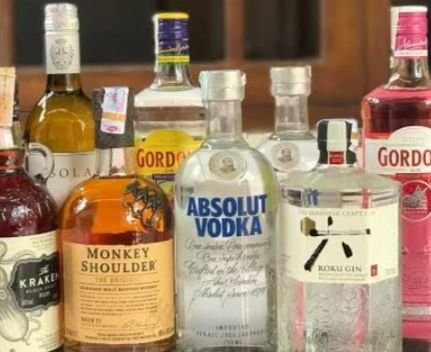
Punjab’s State Election Commission and the state excise department jointly implemented a temporary closure of all liquor shops across rural regions ahead of the recent local body elections. This directive, which took effect at midnight on December 13 and continued until the morning of December 15, was part of a broader strategy to ensure that the electoral environment remained calm and focused on democratic participation.
According to official orders, the ban covered sale, distribution, and storage of alcohol in areas under the jurisdiction of rural local bodies, including zila parishads and panchayat samitis. The policy aimed to minimize the influence of alcohol consumption on voter behavior, reduce the risk of disorderly conduct around polling stations, and promote a disciplined, violence-free exercise of citizens’ voting rights. Authorities explained that the prohibition was necessary because liquor availability near election booths has historically been linked to disturbances and unfair practices.
The state’s decision was supported by multiple stakeholders, including community leaders and civil society organisations, who highlighted the importance of creating a sober and secure atmosphere for voters. These groups emphasized that electoral integrity can be affected by external factors such as intoxication, and the temporary ban was seen as a proactive step in safeguarding democratic processes at the grassroots level.
However, the measure was not without criticism. Some local businesses voiced concerns about the economic impact of the closure, particularly in areas where liquor outlets constitute a significant source of revenue and employment. Operators argued that short-term bans disrupt cash flow and create uncertainty, especially during peak seasons when consumer demand typically rises. While acknowledging these grievances, officials maintained that the temporary inconvenience was justified to uphold public order and electoral fairness.
Political analysts also weighed in on the implications of the liquor ban. They noted that while such restrictions are often instituted during sensitive polls, their effectiveness depends on sustained enforcement and community cooperation. In many instances, the visible absence of alcohol-related disturbances near election sites can have a positive impact on voter turnout and reduce the likelihood of clashes between rival groups.
Following the elections, the state government indicated its intention to review the policy’s outcomes in consultation with district authorities and law enforcement agencies. Officials said they would examine whether the ban contributed to a smoother polling experience and whether similar actions might be warranted for future sensitive electoral events.
The temporary closure also coincided with broader efforts by election authorities to strengthen democratic norms in rural areas. Alongside the liquor ban, additional measures—including enhanced security deployments, public awareness campaigns, and strict monitoring of campaign conduct—were implemented to foster transparency and confidence among voters.
Ultimately, the coordinated steps taken by the State Election Commission and the excise department reflected an emphasis on prioritizing the integrity of the electoral process over short-term commercial interests. As rural voters continue to evaluate the performance of their representatives, such administrative actions may influence perceptions of governance and civic responsibility within the state।