Saptrishi Soni ।
Punjab’s political climate has grown increasingly confrontational, with opposition parties intensifying their criticism of the Aam Aadmi Party government over issues ranging from law and order to administrative stability. Recent incidents of crime, coupled with controversies surrounding local elections and bureaucratic transfers, have provided fresh ammunition to rival parties seeking to reclaim political space.

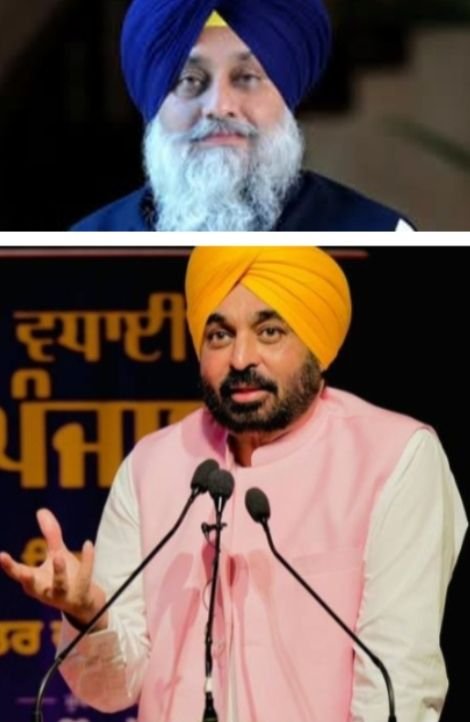
The Congress and Shiromani Akali Dal have accused the government of failing to maintain public safety, pointing to incidents of violence, extortion complaints, and delays in criminal investigations. Opposition leaders argue that frequent reshuffles in the police leadership have weakened institutional continuity and emboldened criminal elements.
The ruling party, however, has rejected these claims, asserting that many of the challenges confronting Punjab are the legacy of past governments. AAP leaders maintain that structural reforms in policing, including data-driven deployment and accountability mechanisms, are underway and require time to deliver results.
The political confrontation has also spilled into debates over governance style. Critics accuse the government of excessive centralization of decision-making and marginalizing experienced administrators. In response, the Chief Minister’s office has defended its approach as decisive governance, necessary to break entrenched interests and accelerate reform.
These tensions are unfolding against the backdrop of upcoming political milestones, including local body result declarations and preparations for future assembly contests. Analysts suggest that opposition parties are seeking to frame the narrative early, positioning themselves as alternatives to what they describe as an inexperienced administration.
For the Aam Aadmi Party, the challenge lies in translating its reform agenda into visible improvements that resonate with everyday concerns such as safety, employment, and service delivery. For the opposition, credibility hinges on offering more than criticism, especially given their own record in power.
As Punjab’s political discourse sharpens, governance outcomes are likely to become the decisive factor shaping public opinion in the months ahead.