
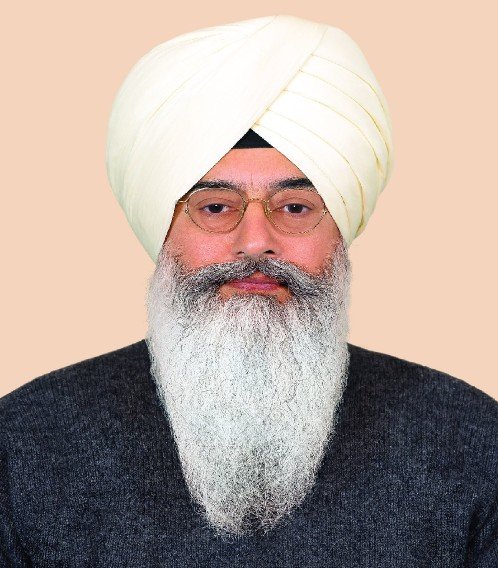
The visit of Radha Soami Satsang Beas chief Gurinder Singh Dhillon to Nabha jail to meet senior Shiromani Akali Dal leader Bikram Singh Majithia has ignited a fresh political controversy in Punjab, reopening debates around faith, politics, and the ongoing legal battle surrounding one of the state’s most high-profile leaders. The meeting, which took place amid heightened political sensitivity, has drawn sharp reactions from across party lines, particularly from the ruling Aam Aadmi Party.
According to officials, Gurinder Singh Dhillon met Majithia inside the jail premises and later conveyed that the allegations against the Akali leader were “false.” Though the Dera head did not issue a formal public statement, the reported remarks were enough to send ripples through Punjab’s political circles, where Majithia’s arrest and prosecution have remained a deeply polarising issue.
Majithia, a former minister and influential Akali leader, has been at the centre of multiple investigations related to drug trafficking allegations and disproportionate assets. His incarceration has been projected by the Bhagwant Mann-led government as a symbol of its commitment to acting against “big fish” allegedly shielded by previous regimes. The sudden involvement of a powerful spiritual figure has therefore complicated the narrative.
Political observers note that the Radha Soami Satsang Beas commands a massive following not only in Punjab but also across northern India and abroad. Any perceived alignment, even indirect, between religious leadership and a political figure facing serious allegations is bound to provoke debate. While SAD leaders welcomed the visit as moral support for Majithia, the ruling party viewed it as an attempt to influence public perception.
AAP leaders were quick to assert that faith leaders are free to meet anyone, but legal accountability cannot be diluted. They stressed that personal beliefs or endorsements cannot replace judicial processes. Senior AAP functionaries said the government’s case against Majithia is evidence-based and will be argued in courts, not in public forums or through symbolic gestures.
Opposition parties, meanwhile, attempted to leverage the visit to question the credibility of the prosecution. Akali Dal leaders argued that the meeting reflected growing doubts about the case and accused the government of political vendetta. Congress leaders adopted a cautious stance, refraining from endorsing either side outright while reiterating that law must take its own course.
The development has also sparked wider discussion on the intersection of religion and politics in Punjab, a state where spiritual institutions have historically influenced social and political life. Analysts point out that while religious leaders often command moral authority, direct or indirect comments on ongoing legal cases can deepen polarisation.
As the legal proceedings against Majithia continue, the focus now shifts to how this episode reshapes political messaging ahead of future electoral battles. For the Mann government, maintaining the credibility of its anti-corruption stance remains critical, while the opposition sees an opportunity to challenge the narrative of “fearless governance.”
The coming weeks are likely to witness intensified political rhetoric, with the Majithia case once again becoming a focal point of Punjab’s charged political discourse.