
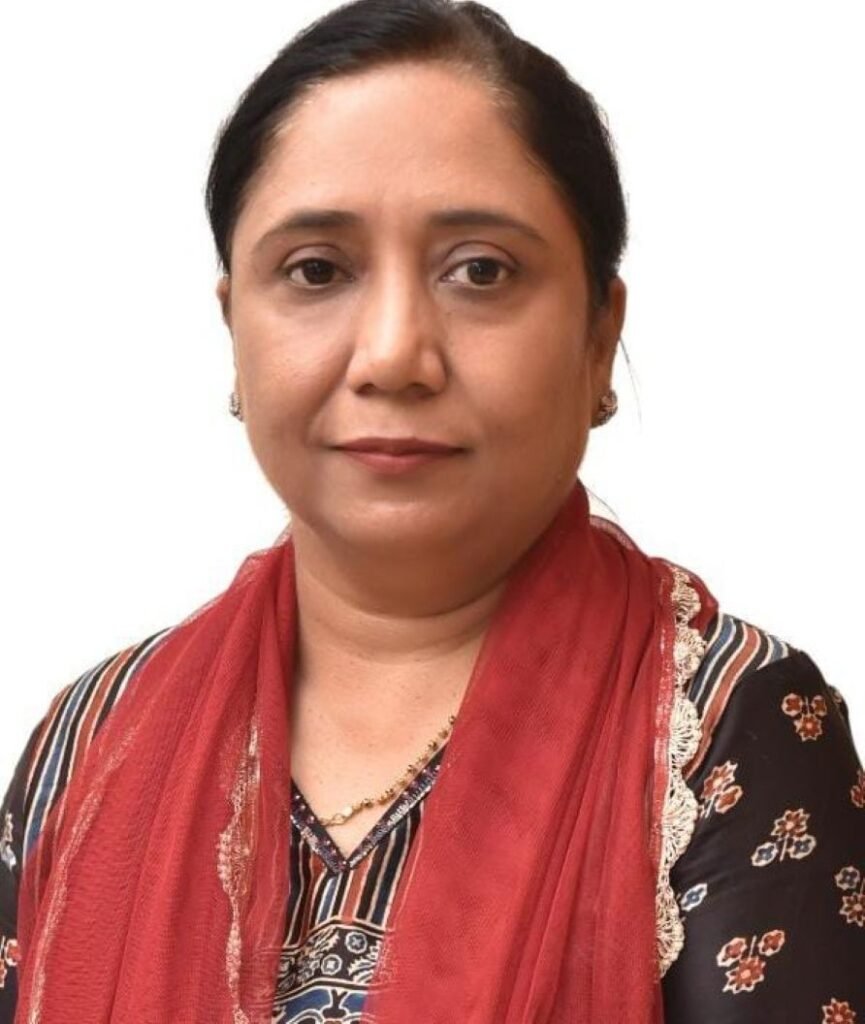
In a significant push toward social welfare, the Punjab government has launched a statewide outreach initiative branded “Our Elders, Our Pride,” designed to transform how senior citizens are cared for, supported, and integrated into community life. This campaign, unveiled under the leadership of Dr. Baljit Kaur, Minister for Social Security, marks one of the most ambitious eldercare drives in the state’s recent policy history.
At its inception, the campaign’s imagery was deceptively simple: vibrant check-up camps, yoga sessions, assistive devices, and legal-rights awareness programmes. Yet beneath these activities lies a sophisticated policy architecture aimed at addressing system-wide gaps in eldercare — from healthcare accessibility to legal protection and social inclusion. Over 9,000 senior citizens have already registered, receiving services calibrated to physical, mental, and socio-economic needs.
The campaign’s resonance is rooted in Punjab’s demographic reality. As the population ages, issues such as mobility restrictions, chronic health conditions, and economic vulnerability become increasingly pronounced. Previously, elder welfare largely fell within fragmented governmental frameworks, with limited coordination across healthcare, social services, and legal protection. The new drive, backed by a ₹7.86 crore budget, signals a convergence of these elements into an integrated programme, expanding reach and refining impact metrics.
A defining component of the initiative is its blend of traditional and modern healthcare services. General, orthopedic, and eye check-ups sit alongside yoga therapies and Ayurvedic treatments, reflecting a culturally responsive model that respects local sensibilities while broadening access to comprehensive care. Furthermore, distribution of assistive devices — ranging from wheelchairs to hearing aids — alleviates daily challenges for seniors, enhancing quality of life and community participation.
The campaign’s impact for ordinary citizens goes beyond immediate services. For families caring for elderly relatives, the state’s proactive role provides reassurance and tangible support. Pension processing services and senior citizen card distributions simplify bureaucratic procedures that often discourage service uptake among retirees. Additionally, the programme’s legal-rights awareness sessions empower seniors against exploitation and neglect — a critical but often overlooked aspect of elder welfare.
Politically, this initiative reinforces the ruling Aam Aadmi Party’s governance ethos of social inclusion and grassroots engagement. In a state where elder support structures were historically piecemeal, this unified approach enhances governmental credibility while potentially shaping future electoral discourses on welfare politics. It also positions Punjab as a potential model for other Indian states grappling with similar demographic transitions.
From a forward-looking perspective, sustaining the programme’s momentum will require iterative monitoring, community feedback loops, and expanded collaboration with health professionals and civil society organisations. If successful, “Our Elders, Our Pride” could establish an institutional legacy, where eldercare becomes a benchmark for humane governance — not just in Punjab, but across India.
#PunjabWelfare #ElderCare #SocialSecurity #PublicHealth #PunjabGovernment
This is an auto web-generated news web story.