In a major political development resonating far beyond the national capital, the recent Delhi court verdict in the liquor policy case has emerged as a pivotal moment for the Aam Aadmi Party (AAP) and its leadership in Punjab, injecting fresh energy into the party’s political narrative as it gears up for the 2027 state assembly elections. The court’s decision to discharge Arvind Kejriwal and Manish Sisodia—prominent figures in AAP—from the controversial excise policy case has generated strong reactions across the political spectrum, especially in Punjab where AAP holds power under Chief Minister Bhagwant Singh Mann.

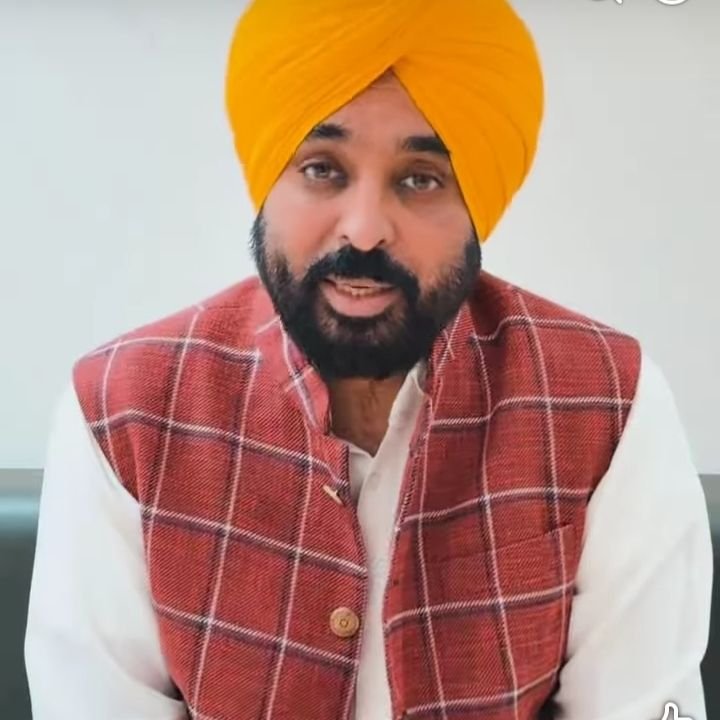
The decision by the Delhi special court to reject the chargesheet and clear the AAP leadership has triggered rejoicing within the party ranks. Punjab’s Chief Minister Bhagwant Mann welcomed the verdict, describing it as a “victory of truth” that vindicated the party’s consistent claims that the case lacked real substance and was politically motivated. According to Mann, the clean chit to his national counterparts demonstrates that the accusations were baseless and driven by political interests rather than genuine legal grounds.
In his comments, Mann emphasised that the AAP’s integrity and governance record have now been validated by the judiciary. He reiterated that AAP’s intention was never to evade accountability but to uphold transparency, even in the face of intense scrutiny and prolonged legal battles. His statement reflects the party’s effort to consolidate its core message of honesty and accountability, especially at a time when public trust and perception play a crucial role in shaping electoral outcomes.
The timing of the verdict carries strategic importance for AAP in Punjab. As the state approaches the assembly elections in early 2027, the party must balance governance priorities with political messaging that resonates with voters. By framing the court’s decision as a vindication of its stance against alleged misuse of central investigative agencies, AAP is positioning itself as a victim of political vendetta while asserting its democratic credibility. Analysts suggest this narrative could help the party reclaim lost ground among undecided voters, particularly those unhappy with the negative campaign narratives that emerged during the Delhi elections.
Punjab Finance Minister Harpal Singh Cheema echoed Mann’s sentiments, saying the acquittal of Kejriwal and Sisodia exposed what he described as a politically driven conspiracy against AAP. Cheema alleged that the central investigation agencies were misused to politically damage the party’s leadership and weaken its electoral prospects. According to him, the court’s verdict not only clears the names of the accused but also sends a message against the misuse of institutions for partisan objectives.
However, the political reactions have not been limited to celebrations. Opposition parties in Punjab and nationally have responded with scepticism and criticism. The Punjab Congress has raised questions regarding the timing and implications of the verdict, suggesting the possibility of political understanding between AAP and other national actors. While not directly opposing the court’s ruling, Congress leaders have indicated that electoral strategies and alliances could be reshaped in light of the new developments.
Meanwhile, the Bharatiya Janata Party (BJP) continues its strategic campaign in Punjab. Recent indications suggest that the party is stepping up its organisational efforts to woo voters from eastern parts of the state and mobilise support ahead of the 2027 polls. BJP leaders have repeatedly criticised the AAP government’s handling of law and order, alleging a deterioration in internal security, and have sought to position their party as the alternative capable of restoring stability and development in Punjab.
The political landscape in Punjab is further evolving as national BJP leaders plan large-scale rallies, with Union Home Minister Amit Shah slated to address a “Badlav” (change) rally in Moga on March 14. The event is expected to act as a catalyst for BJP’s campaigning in the state and further intensify competition among parties jostling for dominance in the lead-up to the assembly elections.
The contrasting narratives from AAP and its rivals reflect deeper ideological and electoral faultlines in Punjab politics. On one hand, the ruling party seeks to capitalise on judicial vindication and reinforce its commitment to good governance and anti-corruption. On the other hand, opposition parties are attempting to challenge AAP’s credibility by highlighting governance gaps and asserting alternative visions for the future of Punjab.
As political discourse intensifies, voters in Punjab will increasingly weigh issues such as economic development, public safety, drug control, infrastructure, agriculture, and institutional autonomy. For AAP, the court’s verdict offers an opportunity to consolidate its core support base while appealing to undecided constituents. For opposition parties, particularly Congress and BJP, the challenge lies in articulating a compelling alternative that resonates across diverse demographics in the state.
In the coming months, political observers expect heightened activity from all major parties, with narratives shaped not only by policy outcomes but also by legal developments and their electoral ramifications. In this backdrop, the court’s decision on the excise policy case will remain a significant reference point in the evolving political debate in Punjab.