
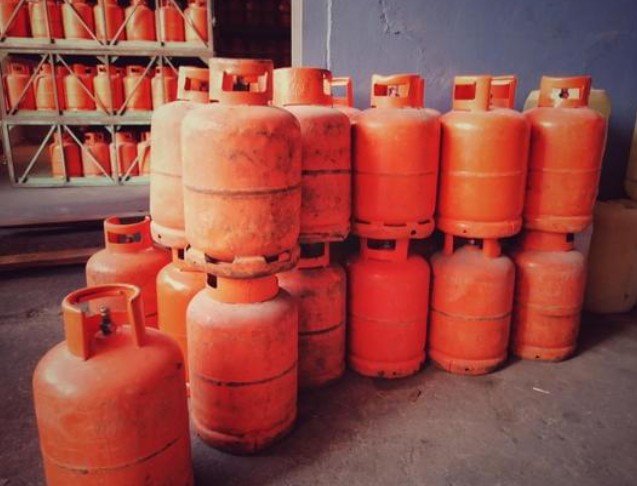
The Himachal Pradesh government has stepped up monitoring of LPG distribution networks across the state, launching a coordinated crackdown to prevent black marketing and hoarding of cooking gas cylinders. The move comes amid growing public anxiety in several northern states over potential supply disruptions triggered by global geopolitical tensions and logistical bottlenecks in commercial LPG distribution. State authorities, however, have emphasised that the supply of domestic LPG remains stable and that there is no cause for panic.
Following a high-level review meeting chaired by the Union Petroleum Secretary of the Ministry of Petroleum and Natural Gas, Himachal Pradesh Chief Secretary Sanjay Gupta announced that special monitoring teams have been constituted in every district of the state. These teams have been tasked with responding swiftly to any complaints related to illegal storage, diversion or black marketing of LPG cylinders. According to officials, the objective is to ensure that domestic consumers and essential service providers continue receiving uninterrupted fuel supplies while preventing opportunistic profiteering during periods of heightened public concern.
Gupta clarified that the situation regarding LPG availability in Himachal Pradesh remains completely under control. Addressing concerns that had begun circulating on social media and local networks, he said there had been no verified reports of black marketing or supply breakdown in any district so far. The Food, Civil Supplies and Consumer Affairs Department is maintaining constant coordination with district administrations as well as oil marketing companies to track supply flows and distribution patterns.
District Deputy Commissioners across the state have also been directed to remain in close contact with distributors and gas agencies to ensure smooth supply chains. Officials say daily monitoring mechanisms have been activated to assess cylinder dispatches, refill demand and inventory levels at distribution points.
Authorities have also appealed to citizens to avoid panic booking of LPG cylinders. The Chief Secretary noted that repeated booking attempts by consumers can overload the online reservation systems used by oil marketing companies, particularly those operated by Indian Oil Corporation Limited and other public sector distributors. Consumers have been advised to make only one booking request at a time and allow the system to process it normally, ensuring fair and efficient allocation of supply.
To strengthen public oversight, the state government has also opened multiple complaint channels through which citizens can report suspected hoarding or illegal sale of LPG cylinders. Residents have been encouraged to contact the department’s toll-free numbers 1967 and 1100 if they encounter any irregularities. Officials say the newly formed enforcement teams will investigate such complaints immediately and take strict action against violators under relevant supply control regulations.
Alongside LPG monitoring, the state government has also initiated steps to ensure alternative fuel availability in remote and rural regions. Authorities announced that two to three authorised dealers will be appointed in each district to distribute kerosene to eligible households where LPG access remains limited or where emergency backup supplies may be required. Officials confirmed that the state currently holds adequate kerosene reserves to meet such contingencies.
The issue of commercial LPG availability has also been discussed with central authorities. According to state officials, the Government of India is expected to release commercial LPG supplies equivalent to roughly 20 percent of previous cost-based allocation levels in the coming period. This is expected to ease concerns among businesses that rely heavily on commercial cylinders, including restaurants, hotels, roadside eateries and sweet shops.
While some traders in Himachal Pradesh and neighbouring northern states had expressed concerns about delays in commercial cylinder refills, industry representatives insist that supply chains remain functional. Nitin Pandey, who heads the Indane LPG bottling facility at Raipur Sahoda in Una district, said that the plant continues to dispatch between 15 and 20 truckloads of cylinders daily to distributors across Himachal Pradesh.
Pandey stated that rumours about an LPG shortage were largely driven by misinformation circulating online and do not reflect the actual supply position. According to him, gas cylinder distribution is being monitored daily, and allocations to distributors are being made based on verified demand assessments. He added that there is no shortage of domestic LPG cylinders anywhere in the state.
Energy analysts note that such proactive monitoring measures are being adopted by several states across northern India as governments seek to prevent panic buying or supply distortions triggered by geopolitical uncertainties in global energy markets. Although domestic LPG distribution in India is largely stabilised through long-term import arrangements and strategic reserves, temporary logistical constraints in commercial cylinder availability occasionally lead to localised concerns.
For the hospitality and food service sector in particular, commercial LPG remains a critical operational requirement. Restaurants, catering units and small food businesses depend heavily on timely cylinder supply to maintain daily operations. Officials say the coordination between state administrations and oil marketing companies is intended to ensure that these sectors continue functioning without disruption.
With the government maintaining that LPG supply remains adequate and that monitoring mechanisms are firmly in place, authorities are urging citizens and businesses to rely on official communication rather than social media speculation. The current measures, officials say, are preventive in nature and aimed at maintaining stability in the energy distribution system during a period of heightened public sensitivity over fuel availability.