Saptrishi Soni
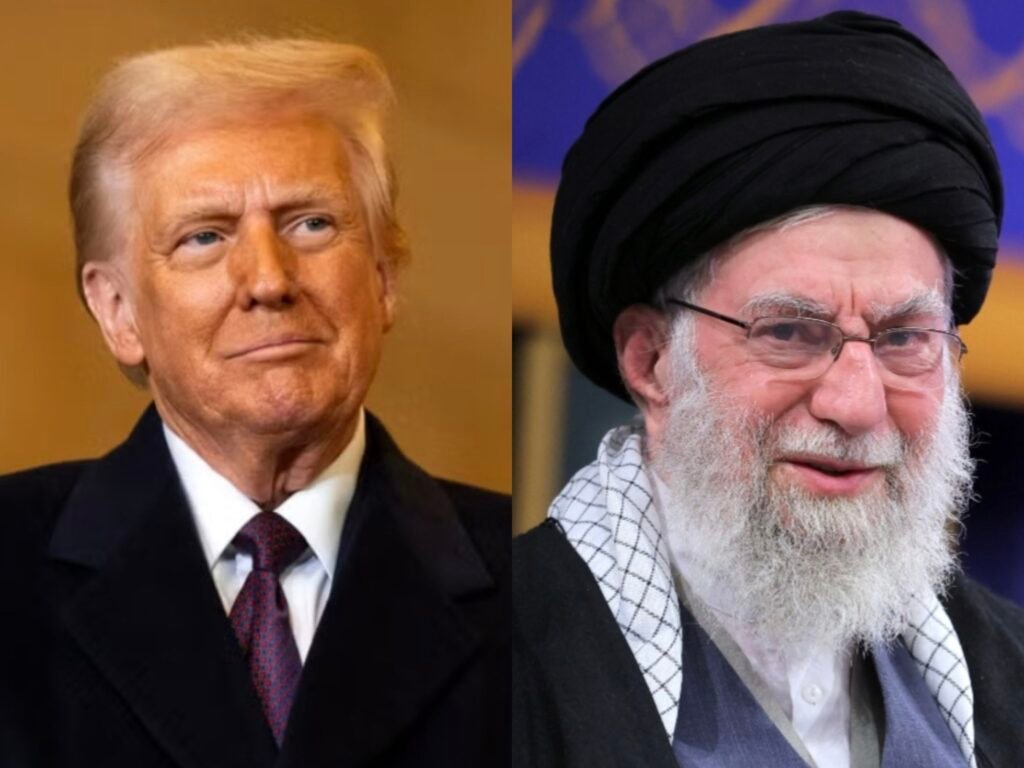
The rapidly intensifying confrontation involving Iran, Israel, and the United States is emerging as one of the most critical geopolitical flashpoints, with far-reaching implications for global energy security and regional stability. At the centre of this evolving crisis is the delicate balancing act being attempted by Donald Trump, who finds himself navigating competing strategic pressures while trying to prevent a wider escalation.
The immediate trigger for the latest tensions appears to be a series of strikes targeting critical gas infrastructure in the Gulf region. Reports indicate that Israeli actions against Iran’s share of the South Pars gas field—one of the largest natural gas reserves in the world—provoked a sharp retaliatory response from Tehran. Iran, in turn, is believed to have targeted key energy infrastructure linked to Qatar, particularly facilities associated with liquefied natural gas (LNG) production.
The significance of these developments cannot be overstated. The South Pars field, jointly shared between Iran and Qatar, represents a cornerstone of global gas supply. Any disruption in this region directly affects international energy markets, especially LNG flows to Europe and Asia. Early indications of supply interruptions have already raised concerns about price volatility, with analysts warning of a potential surge in global gas prices if hostilities persist.
For the United States, the situation presents a complex strategic dilemma. On one hand, Washington remains a key ally of Israel and is expected to support its security concerns. On the other, the U.S. has vital interests in maintaining stability in the Gulf, particularly in protecting partners like Qatar, which plays a pivotal role as one of the world’s largest LNG exporters.
Amid these tensions, President Trump has reportedly taken steps to restrain further escalation by discouraging additional Israeli strikes on Iranian gas infrastructure. This move appears to be driven by concerns that any further targeting of shared energy assets could provoke a broader regional conflict, drawing in multiple stakeholders and severely disrupting global energy supplies.
At the same time, Washington has issued calibrated warnings to Iran, signalling that any further attacks on key energy installations—especially those linked to U.S. allies—could invite a decisive response. This dual approach underscores the tightrope the U.S. is walking: attempting to deter Iran while preventing actions by Israel that could trigger uncontrollable escalation.
Complicating matters further are differing narratives surrounding the initial strikes. While Israeli sources have suggested coordination with U.S. interests, American officials have maintained that the operation was not directly undertaken by the United States. This divergence highlights underlying complexities within the alliance and suggests a nuanced approach by Washington to maintain strategic flexibility.
Iran’s response, meanwhile, reflects a broader doctrine of asymmetric retaliation. By targeting energy infrastructure rather than direct military installations, Tehran appears to be signalling its capacity to inflict economic and strategic damage without engaging in full-scale conventional warfare. This approach also increases pressure on global stakeholders, many of whom depend heavily on uninterrupted energy supplies from the Gulf.
The involvement of Qatar—whether direct or indirect—adds another layer of sensitivity. As a close partner of the United States and a critical node in global LNG supply chains, any threat to its infrastructure carries significant geopolitical and economic consequences. Washington’s emphasis on Qatar’s neutrality and security underscores its intent to prevent the conflict from spilling over into allied territories.
Beyond the immediate actors, the unfolding crisis is being closely monitored by major global economies. Europe, already grappling with energy diversification challenges, and Asian markets dependent on LNG imports, are particularly vulnerable to supply disruptions. Even limited instability in the Gulf can trigger ripple effects across global markets, impacting inflation, industrial output, and energy security strategies worldwide.
The broader concern now is whether the current phase of retaliation can be contained or whether it risks evolving into a sustained conflict involving multiple regional powers. The strategic importance of energy infrastructure in this confrontation makes de-escalation both urgent and challenging.
For President Trump, the situation represents a defining moment in foreign policy management—requiring a careful balance between deterrence, alliance commitments, and global economic stability. The coming days will be crucial in determining whether diplomatic channels can prevail or whether the region moves closer to a wider and more disruptive conflict.
As tensions continue to simmer, one thing remains clear: the intersection of geopolitics and energy security in the Gulf has once again exposed the fragility of global stability, with consequences that extend far beyond the region.