
Saptrishi Soni
The Bharatiya Janata Party has made one of its clearest political moves yet in Punjab ahead of the 2027 Assembly election, signalling that it intends to contest all 117 seats on its own and distancing itself from speculation about a possible reunion with its former ally, the Shiromani Akali Dal.
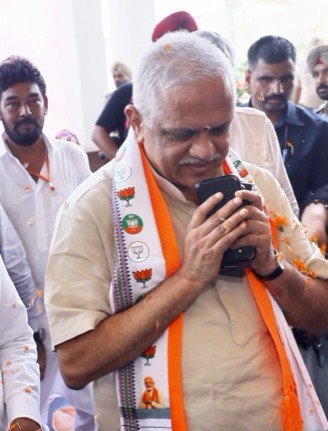
The announcement by BJP national general secretary B.L. Santosh has given fresh direction to Punjab’s rapidly evolving political contest. For months, political observers had watched closely for signs of a possible BJP-SAD understanding, particularly as sections within the Akali Dal appeared to leave the door open to renewed cooperation. The latest BJP position, however, suggests that the party is preparing to build an independent campaign rather than rely on the old alliance formula that once dominated Punjab politics.
The significance of the decision extends beyond the BJP itself. It changes the calculations of all major political players in the state — the ruling Aam Aadmi Party, the Congress and the Shiromani Akali Dal — at a time when Punjab is moving steadily towards what promises to be a highly competitive Assembly election.
For the BJP, the decision to fight all 117 seats is a statement of ambition. The party has been working to expand its organisational presence in Punjab, where it has historically been a junior partner in the BJP-SAD alliance and has struggled to convert its national strength into a dominant statewide electoral force.
A solo contest would allow the BJP to establish candidates, local leadership and party structures in constituencies where it previously depended on an alliance arrangement. But it also presents a formidable challenge. Contesting every seat requires a credible organisation across Punjab’s diverse political and social landscape, strong local candidates and the ability to build support beyond the party’s traditional urban and trading-class base.
The decision also places renewed pressure on the Shiromani Akali Dal. Once Punjab’s principal regional political force, the SAD is attempting to rebuild its organisation and political relevance after years of electoral decline and internal challenges. A formal reunion with the BJP could have offered the Akalis a familiar electoral framework, combining their traditional rural and Sikh political base with the BJP’s organisational and urban support.
If the BJP remains committed to going alone, the Akali Dal will have to determine whether it can independently rebuild its position or seek new political arrangements. Either way, the party faces a crucial period in its effort to reclaim lost ground.
The Congress, meanwhile, is watching the BJP-SAD equation with equal interest. Punjab Congress president Amarinder Singh Raja Warring has sought to turn the alliance speculation into a political issue, challenging the BJP to make its position clear. The Congress is attempting to present itself as the principal challenger to the Bhagwant Mann-led AAP government, but its ability to convert dissatisfaction with the government into electoral gains will depend heavily on whether it can maintain unity within its own ranks.
Factional tensions within the Punjab Congress have remained a persistent concern. With less than a year to go before the Assembly election, the party’s central leadership faces the task of ensuring that internal rivalries do not weaken its campaign against AAP.
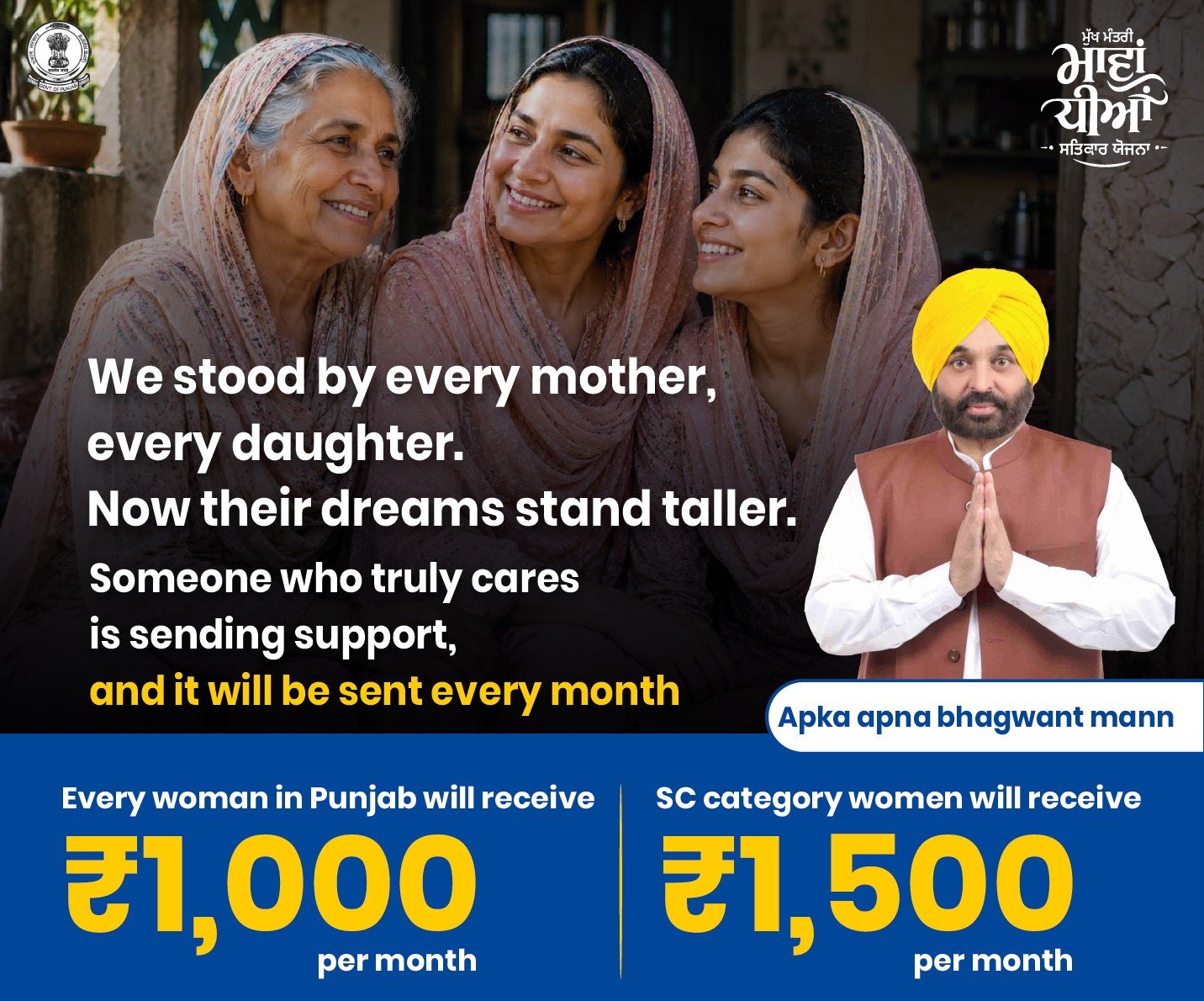
For the ruling Aam Aadmi Party, the fragmentation of the opposition could potentially provide a political advantage. The Mann government is likely to seek re-election on the basis of its governance record, welfare measures and development programmes, while continuing to highlight its campaigns against drugs, corruption and unemployment.
At the same time, the government faces the more difficult challenge of defending its record after completing nearly a full term in office. As the election approaches, public scrutiny of employment, law and order, finances, agriculture, public services and the delivery of government promises is likely to intensify.
AAP’s strategy will therefore have to balance governance with political messaging. Chief Minister Bhagwant Mann has increasingly positioned his government’s programmes — including investments in sports, education, health and rural development — as evidence of a broader transformation in Punjab. The opposition, however, is preparing to question the pace and effectiveness of that transformation.
The BJP’s decision to contest all 117 seats could make this contest even more unpredictable. A four-cornered battle involving AAP, Congress, BJP and SAD would create constituency-level contests in which local candidates, caste and community equations, regional issues and vote transfers could become as important as statewide political narratives.
Punjab’s 2024 Lok Sabha election demonstrated that no party can afford to take the electorate for granted. The Congress emerged with the highest number of seats, while AAP, the BJP and the Akali Dal retained significant pockets of influence. Those results cannot simply be projected onto an Assembly election, but they showed that Punjab’s political landscape has become more fragmented and competitive.
The BJP’s solo strategy is therefore a gamble as well as an opportunity. If the party succeeds in expanding its vote and establishing itself as a serious contender across Punjab, it could fundamentally alter the state’s political structure. If it fails to build sufficient support, the decision to stay away from an alliance could divide anti-AAP votes in several constituencies.
For now, the message from the BJP is clear: Punjab is no longer being viewed merely through the lens of an old alliance. The party wants to test its own strength across all 117 Assembly constituencies.
As Punjab moves closer to 2027, that decision has opened a new chapter in the state’s political contest — one in which every party will now have to reconsider not only its opponents, but also the alliances and political assumptions that once defined Punjab’s electoral politics.