Saptrishi Soni
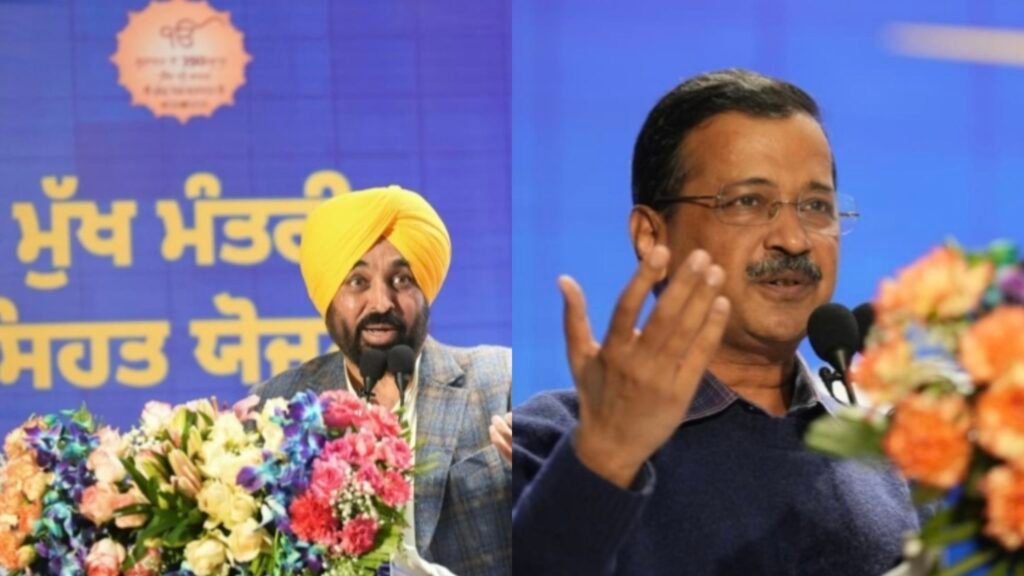
The Mukh Mantri Sehat Yojna (MMSY) marks a decisive shift in Punjab’s welfare policy by placing healthcare at the centre of governance. By guaranteeing free treatment up to ₹10 lakh per family, the scheme directly addresses the biggest fear of ordinary households—financial ruin due to illness. MMSY is not merely an insurance cover; it is a comprehensive social security mechanism designed to ensure dignity, equality and economic stability for every citizen of Punjab.
Point-wise Benefits of the Scheme
1. Universal Coverage Without Discrimination
Every family in Punjab—around 65 lakh families, nearly three crore citizens—is covered under the scheme without any income limit, caste, religion, or social category restrictions.
2. High Coverage Limit of ₹10 Lakh Per Family
The scheme provides free treatment up to ₹10 lakh per family, making even high-cost surgeries and long-term treatments affordable for common people.
3. Access to Government and Private Hospitals
Beneficiaries can avail treatment at both government hospitals and empanelled private hospitals, including premium private healthcare institutions.
4. Cashless and Paperless Treatment
Once a patient presents the MMSY health card, treatment becomes completely cashless. No advance payment, deposit or reimbursement process is required from the patient.
5. Comprehensive Treatment Packages
More than 2,356 treatment packages are included, covering minor illnesses as well as complex procedures such as cardiac surgeries, cancer treatment, kidney transplants, brain and spine surgeries, and trauma care.
6. Free Medicines and Diagnostic Tests
The scheme includes the cost of medicines, diagnostic tests, scans and laboratory investigations, reducing out-of-pocket expenses to zero.
7. Protection Against Medical Debt
MMSY prevents families from selling land, property, jewellery or taking high-interest loans for medical treatment, thereby safeguarding long-term financial stability.
8. Special Focus on the Poor and Vulnerable
Farmers, labourers, daily wage workers, rickshaw pullers and marginalised communities gain access to healthcare facilities that were previously beyond their reach.
9. Strengthening Public Healthcare Infrastructure
Alongside the scheme, the state has upgraded government hospitals, recruited over 1,100 specialist doctors, ensured functional medical equipment and improved medicine availability.
10. Wide Network of Empanelled Hospitals
Around 850 government and private hospitals are already empanelled under the scheme, with more being added to expand accessibility across Punjab and Chandigarh.
11. Quick Hospital Reimbursements
Hospitals are assured payment within 15 days, ensuring their willingness to treat MMSY patients without hesitation or delay.
12. Easy Registration and Health Card Issuance
Health cards can be obtained through facilitation centres, Common Service Centres or online using Aadhaar or voter ID, with door-to-door assistance from volunteers.
13. Reduction in Healthcare Inequality
By offering the same treatment options to rich and poor alike, the scheme bridges the long-standing gap between private and public healthcare access.
14. Economic and Social Stability
Health-related financial stress often leads to school dropouts, loss of livelihood and intergenerational poverty. MMSY directly addresses these ripple effects.
15. Political Accountability and Trust Building
The scheme reflects fulfilment of an electoral guarantee, strengthening public trust in governance and democratic accountability.
The Mukh Mantri Sehat Yojna is not just a healthcare initiative but a social transformation model. By removing financial barriers to medical treatment, it restores confidence, dignity and security to millions of families. In the long run, MMSY is expected to improve health outcomes, reduce poverty caused by medical expenses and set a new national benchmark for inclusive and people-centric governance.