Saptrishi Soni
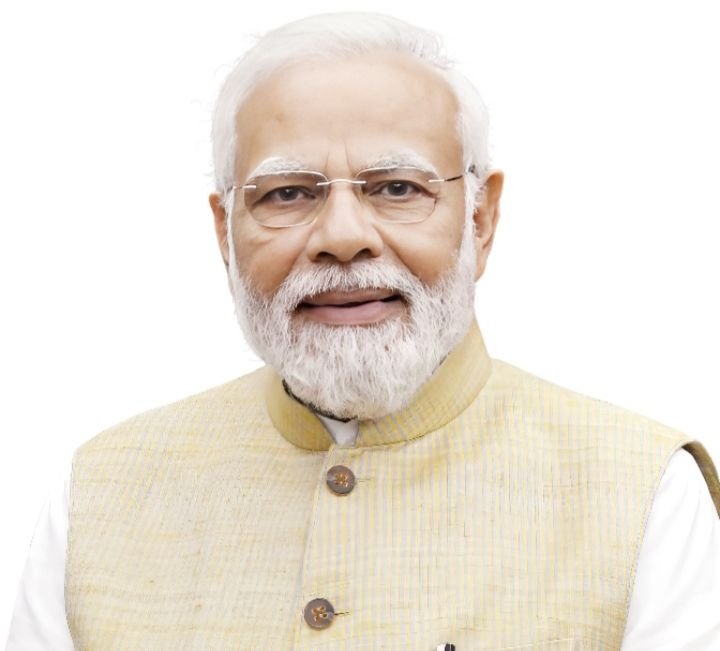
Punjab’s political landscape is stirring with unprecedented activity as the state gears up for the 2027 assembly elections. With less than a year to go, the Bharatiya Janata Party (BJP) has sharply increased its footprint in the state, signaling a decisive shift from its traditional role as a junior partner in regional politics. The party’s renewed focus, dubbed ‘Mission Punjab,’ is being spearheaded at the highest level, with Prime Minister Narendra Modi and Union Home Minister Amit Shah leading the charge.
Prime Minister Modi is scheduled to visit Jalandhar on February 1, coinciding with Guru Ravidas Jayanti, to pay homage at the Dera Sachkhand Ballan. The visit carries strategic significance: Punjab has a sizable Dalit population of around 32%, the highest in India, with the Doaba region alone contributing to 23 assembly constituencies where Dalits have considerable influence. The conferment of the Padma Shri award on Dera chief Sant Niranjan Das is widely interpreted as part of BJP’s broader outreach to this crucial voter segment.
Meanwhile, Union Home Minister Amit Shah is set to address a large-scale farmers’ rally in Moga on February 22. This initiative aims to consolidate support among the state’s farming community, particularly the influential Jat Sikh voters. By mobilizing around one lakh farmers, BJP hopes to project its strength and establish a direct connection with this politically vital demographic.
The party’s aggressive campaigning has put the ruling Aam Aadmi Party (AAP) on alert. In response, Chief Minister Bhagwant Mann’s government has announced rapid measures, including the acquisition of land near Dera Ballan for the establishment of the ‘Shri Guru Ravidas Vani Study Centre’ and the launch of year-long cultural and social programs to engage the community. This fast-tracked response reflects the intensifying political contest in Punjab, where symbolic gestures and grassroots outreach are increasingly critical to electoral success.
A key question looming over Punjab politics is the potential re-alliance between BJP and the Shiromani Akali Dal (SAD). While discussions are ongoing, BJP leaders maintain that the party is prepared for all eventualities, even as it strengthens its independent organizational structure. Several senior political figures, including former Chief Minister Captain Amarinder Singh, who switched from Congress to BJP, have publicly urged the party to consider an alliance with SAD for the upcoming assembly elections. Yet BJP’s top leadership appears determined to pursue a solo strategy, viewing the Modi-Shah visits as the first step in consolidating the party’s standalone presence in the state.
The political churn in Punjab also highlights internal dynamics within BJP. Sunil Jakhar, another former Congress leader who had joined BJP, had tendered his resignation, but the party’s central leadership did not accept it. Both Jakhar and Amarinder Singh have expressed concerns about strategic directions, but BJP’s focus on independent expansion suggests that top leaders are prioritizing broader electoral calculations over individual dissent.
As political campaigns gain momentum, Punjab is set to witness a flurry of activity across party lines. Leaders are expected to intensify voter outreach, announce targeted benefits, and engage in both claims and counterclaims to win public favor. With high-profile visits and strategic community engagement underway, the coming months will be critical in shaping electoral narratives and determining the balance of power in the 2027 assembly elections.
BJP’s carefully calibrated moves—combining national leadership presence, community outreach, and assertive organizational strategies—signal that Punjab’s political terrain is entering a phase of heightened contestation. The state is poised for a dramatic political season, where alliances, voter mobilization, and leadership assertiveness will define the outcome of a fiercely fought electoral battle.