
Saptrishi Soni
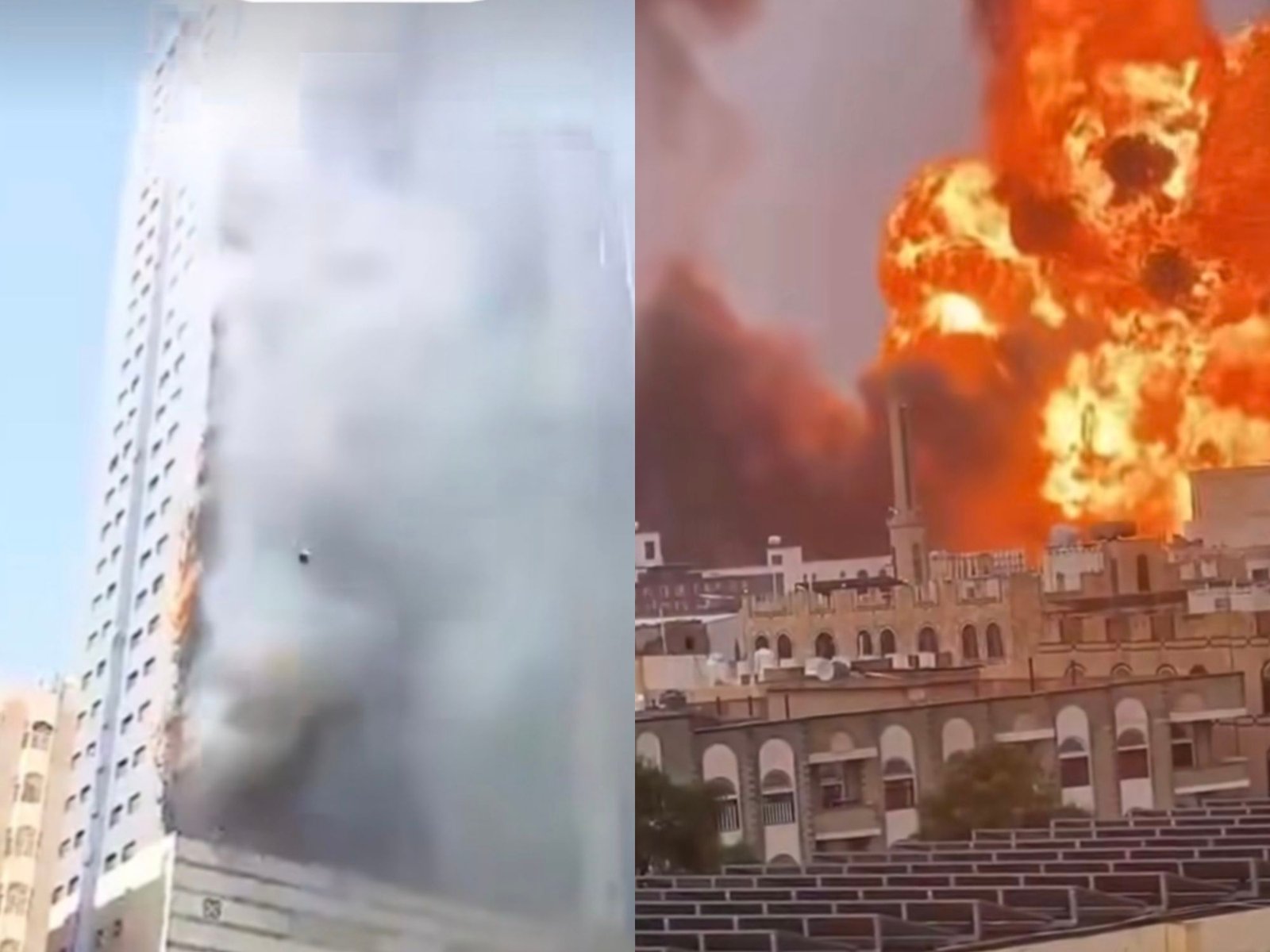
For more than four decades, Dubai marketed itself not just as a city of skyscrapers and luxury, but as a rare guarantee in a volatile region. While wars, revolutions and political upheavals reshaped much of the Middle East, Dubai projected an image of insulation. It promised tax-free incomes, seamless business regulations, world-class infrastructure and, above all, safety. The message was subtle but powerful: whatever storms hit the region would stop at Dubai’s borders. That carefully built narrative is now under severe strain as the escalating confrontation between Iran and the United States sends shockwaves across the Gulf. Iran’s retaliatory strikes, reportedly targeting critical infrastructure across the region, have shaken confidence in what was long considered the Middle East’s safest commercial hub. Even where physical damage appears limited, the psychological impact is profound. Airports, ports and hospitality sectors—symbols of Dubai’s global connectivity—have been drawn into the wider security conversation. For a city whose success rests on the perception of predictability, even a small crack in that image can have outsized consequences. Dubai’s rise was not accidental. From its early days as a modest pearling and fishing settlement, it transformed itself through calculated statecraft and economic openness. The launch of Emirates airline in 1985 connected the city to the world, the unveiling of the Burj Al Arab in 1999 redefined luxury branding, and early 2000s reforms allowing foreign property ownership attracted global investors. Over time, Dubai became a magnet for capital fleeing instability elsewhere. Syrians escaping civil war, investors unsettled by the Arab Spring, and more recently wealthy Russians relocating amid the Ukraine conflict all contributed to the emirate’s economic surge. The UAE’s population expanded dramatically, growing from around one million in 1980 to approximately eleven million by 2024. According to international wealth migration data, the country was projected to attract nearly 9,800 relocating millionaires in a single year, more than any other nation. Billions flowed into real estate, pushing major developers like Emaar Properties to record valuations, reaching roughly 149 billion dirhams, equivalent to over 40 billion US dollars. This extraordinary ascent depended on a singular assumption: that Dubai would remain detached from regional conflict. That assumption is now being questioned. With airspace closures leaving tens of thousands stranded and regional tensions intensifying, global investors are recalculating risk. International capital is fluid, and expatriate communities are highly mobile. If instability persists, alternative hubs in Europe or Asia may begin to look more attractive. The longer the conflict continues, the more serious this reassessment will become. The geopolitical landscape is also growing more complex. Reports indicate that European powers, including France, have reinforced their military presence in the broader region, while multiple Western nations maintain strategic bases across the Gulf. Any expansion of hostilities risks entangling additional actors, heightening fears of a wider confrontation. Public sentiment across parts of the Middle East and South Asia has also grown tense. In countries such as Iraq and Pakistan, protests have reportedly erupted in response to American military actions against Iran, with demonstrators voicing anger over what many perceive as a repetition of past justifications involving weapons of mass destruction, reminiscent of the Iraq war narrative. Incidents of unrest near diplomatic missions and allegations of force used against protesters have further inflamed emotions. If such demonstrations intensify and spill into broader instability, Gulf cities dependent on calm and investor confidence could face deeper challenges. Dubai’s identity as a haven for opportunity, lifestyle and financial security was never built solely on infrastructure; it was built on trust. The emirate thrived because businesses believed supply chains would function uninterrupted, families believed their children would grow up in safety, and investors believed their assets were shielded from geopolitical tremors. Today, that trust is being tested. The stakes extend beyond economics. A prolonged conflict involving Iran and the United States, combined with the possibility of additional regional or global powers entering the fray, raises concerns that the crisis could escalate far beyond its current scope. While talk of a third world war may sound dramatic, the convergence of military deployments, proxy tensions and public unrest across multiple countries suggests that the margin for miscalculation is narrowing. For Dubai, time is critical. The city’s prosperity depends on stability returning quickly. If diplomatic efforts fail and hostilities expand, the brand painstakingly built over decades could erode in months. The dream of Dubai as an untouchable oasis of prosperity in a turbulent region is not yet gone, but it is facing its most serious challenge since the emirate began its ascent.
This is the web generated news report