
In a move aimed at ensuring a more comprehensive and transparent electoral roll revision process, the Election Commission of India (ECI) has announced a partial modification to the schedule of the ongoing Special Intensive Revision (SIR) of electoral rolls in Punjab. The revised timeline is expected to provide additional time for voters, political stakeholders and election officials to verify records and address discrepancies before the final electoral rolls are prepared.
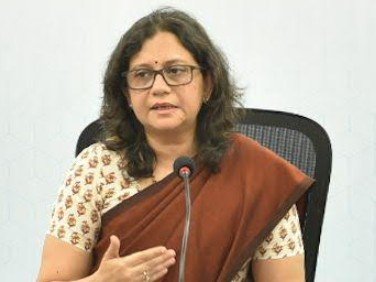
The development was confirmed by Punjab Chief Electoral Officer Anindita Mitra, who said the Election Commission has issued a formal communication introducing changes to specific stages of the revision programme while leaving the remaining schedule unchanged.
Under the revised programme, the publication of the draft electoral rolls for Punjab will now take place on August 3, 2026. The draft roll publication marks one of the most significant stages in the electoral revision exercise, as it enables voters to verify whether their names, personal details and electoral information have been correctly incorporated into the rolls.
Election officials say the publication of draft rolls is a critical step in safeguarding electoral integrity. It provides an opportunity for eligible citizens to ensure that they are registered correctly and to identify any errors, omissions or duplication that may affect their voting rights.
Following the release of the draft rolls, the period for filing claims and objections will begin on August 3 and continue until September 2, 2026. During this window, citizens will be able to request inclusion of their names, correction of personal information, deletion of ineligible entries or raise objections concerning entries appearing in the electoral records.
The Election Commission has also revised the timeline for the scrutiny and disposal of claims and objections. According to the updated schedule, election authorities will process and decide upon such applications between August 3 and September 28, 2026. This phase is considered crucial because it determines the accuracy and credibility of the final electoral database that will be used in future elections.
Officials emphasise that electoral roll revisions are not merely administrative exercises but form the foundation of the democratic process. Accurate voter lists help prevent disenfranchisement of eligible voters while also reducing the possibility of duplicate or invalid entries.
Chief Electoral Officer Anindita Mitra clarified that apart from these specific amendments, all other aspects of the Special Intensive Revision programme will continue in accordance with the notification issued by the Election Commission on May 14, 2026. Election machinery across the state has already been working on the revision exercise through field verification, voter awareness campaigns and coordination with local election authorities.
The Special Intensive Revision assumes particular importance because electoral rolls serve as the primary legal basis for voter participation in elections. Any inaccuracies in the rolls can directly impact democratic representation and public confidence in the electoral process. Consequently, election authorities encourage citizens to actively participate in the verification process once the draft rolls are published.
Political observers note that regular and intensive revision exercises have become increasingly important as population movement, urbanisation and demographic changes continue to alter voter patterns across states. Ensuring that electoral records remain updated is therefore essential for maintaining both administrative efficiency and electoral credibility.
With the revised timeline now in place, election officials are expected to intensify public outreach efforts in the coming weeks, urging eligible voters to examine the draft rolls carefully and make use of the claims and objections process wherever necessary. The Election Commission maintains that the objective of the exercise is to ensure that every eligible citizen is able to participate in the democratic process while preserving the accuracy and reliability of Punjab’s electoral database.
As preparations continue, the revision exercise represents another significant step in strengthening the electoral framework of the state, reinforcing the principle that free and fair elections begin with an accurate and inclusive voter roll.