
With the next Punjab Legislative Assembly elections gradually coming into focus, the Punjab Government has initiated an important administrative reform aimed at strengthening the state’s electoral infrastructure and ensuring that election-related responsibilities are carried out efficiently and without disruption.
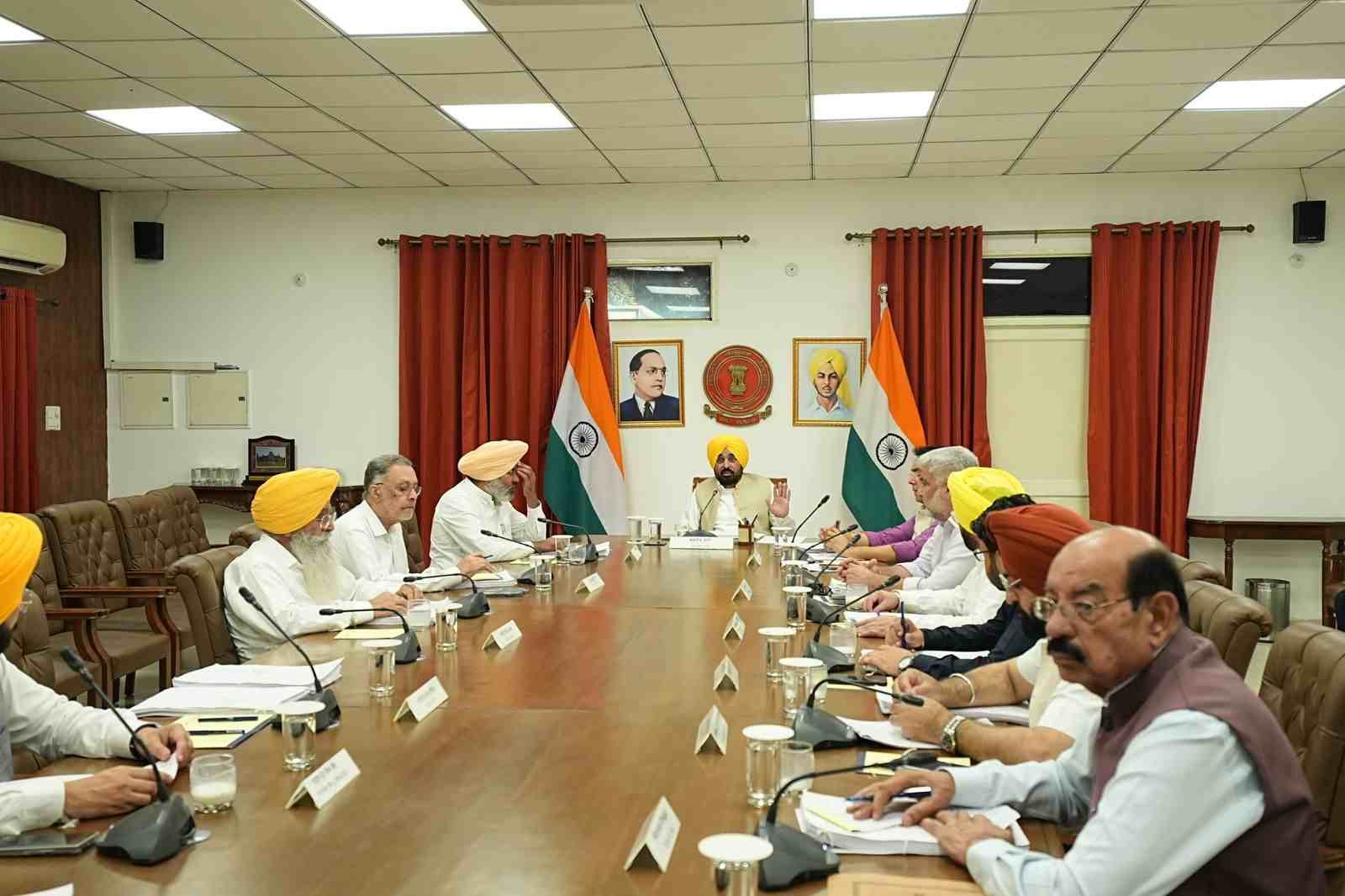
At a meeting of the Council of Ministers chaired by Chief Minister Bhagwant Singh Mann on Monday, the Punjab Cabinet approved a significant amendment to the Service Rules of the Election Department, a move designed to address long-standing manpower shortages and streamline preparations for forthcoming electoral exercises, including the ongoing Special Intensive Revision (SIR) of electoral rolls.
The decision reflects the government’s recognition that a robust and adequately staffed election administration is essential for maintaining the integrity, transparency and efficiency of the democratic process. With electoral roll revisions underway and preparations for future elections expected to intensify in the coming years, the Cabinet’s move is being viewed as a proactive step to reinforce the institutional framework responsible for conducting election-related work across the state.
According to details released after the Cabinet meeting, the amendment reduces the minimum experience required for promotion from the post of Election Kanungo to Election Tehsildar from 15 years to 12 years. While the change may appear procedural on the surface, officials say it addresses a critical operational challenge that has been affecting the department’s ability to fill key positions.
At present, seven posts of Election Tehsildar remain vacant in the department. Under the existing service rules, no serving Election Kanungo qualifies for promotion because none have completed the mandatory 15 years of experience. As a result, the department has faced difficulties in filling these important positions despite an increasing workload associated with electoral administration.
By lowering the eligibility requirement to 12 years, the government expects a number of experienced officials to become immediately eligible for promotion, allowing vacancies to be filled and strengthening the department’s operational capacity. Officials believe the measure will help ensure that election-related duties are carried out more effectively, particularly during periods of intensive electoral activity.
The timing of the decision is significant. Punjab is currently undertaking the Special Intensive Revision of electoral rolls, a crucial exercise that involves verifying voter records, updating electoral data and ensuring the accuracy of voter lists. Such exercises require substantial administrative support and experienced field-level officials capable of managing complex electoral procedures.
Election Tehsildars play an important role in coordinating electoral activities, supervising field operations and assisting in the implementation of directives issued by election authorities. Vacancies at this level can place additional pressure on existing staff and affect the efficiency of election management, particularly during large-scale revisions or election periods.
Political observers note that while the amendment is administrative in nature, it reflects broader efforts by the state government to ensure institutional readiness well before the Assembly elections. Electoral administration often receives limited public attention compared to political campaigning, yet the effectiveness of election machinery remains a critical pillar of democratic governance.
The Cabinet’s decision is also expected to boost morale within the department by creating new career advancement opportunities for eligible employees who have accumulated substantial experience but were previously unable to progress under existing service conditions.
Alongside the electoral reform, the Cabinet approved the Annual Administrative Report of the Department of Water Resources for the financial year 2025–26. The approval provides formal recognition of the department’s administrative functioning, achievements and activities during the year and enables systematic documentation of its performance.
The Water Resources Department occupies a strategically important position in Punjab, a state whose economy remains deeply connected to agriculture and irrigation infrastructure. The annual report is expected to serve as an important reference document for evaluating departmental performance, policy implementation and resource management initiatives undertaken during the year.
Government officials stated that the report will facilitate institutional review and help maintain administrative accountability by recording key accomplishments, challenges and operational outcomes across various programmes and projects.
The twin decisions taken by the Cabinet illustrate the government’s focus on both governance preparedness and administrative efficiency. While the election department reform addresses an immediate operational requirement linked to democratic processes, the approval of the Water Resources Department’s annual report reflects an ongoing emphasis on institutional oversight and documentation.
As Punjab moves closer to future electoral milestones, the strengthening of election infrastructure is likely to remain a priority area. The latest Cabinet decision signals an effort to ensure that administrative mechanisms are adequately equipped to handle the demands of electoral management, reinforcing the foundations of a system that underpins the functioning of democracy in the state.
#Punjab #BhagwantMann #PunjabCabinet #PunjabAssemblyElections #ElectionDepartment #ElectoralReforms #ElectionTehsildar #SpecialIntensiveRevision #PunjabPolitics #Governance #Democracy #WaterResourcesDepartment #AdministrativeReforms #ElectionMachinery #PunjabNews
This is an auto web-generated news web story.