
Saptrishi Soni
Meeting with drug-affected families and outreach to Punjab’s voters place accountability, public safety and the BJP’s electoral ambitions at the centre of the political debate ahead of the 2027 Assembly elections
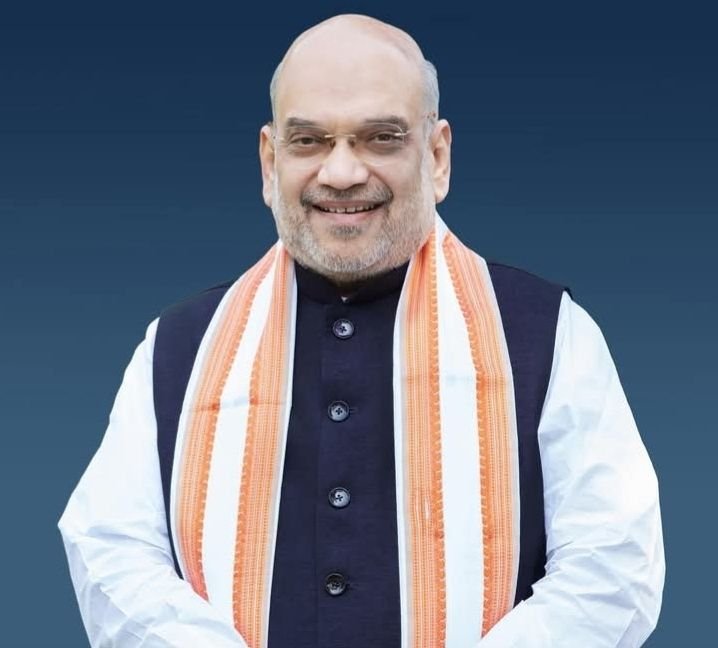
Union Home Minister Amit Shah’s scheduled visit to Punjab on October 20 comes at a politically significant moment, with the state moving towards its 2027 Assembly elections and the drug crisis once again emerging as a major battleground between the ruling Aam Aadmi Party (AAP) and the opposition.
Shah is expected to address people in Punjab and meet families affected by the drug menace. The visit gives the Bharatiya Janata Party an opportunity to take its campaign directly to a state where narcotics, youth unemployment, public safety and the future of rural communities remain deeply consequential issues.
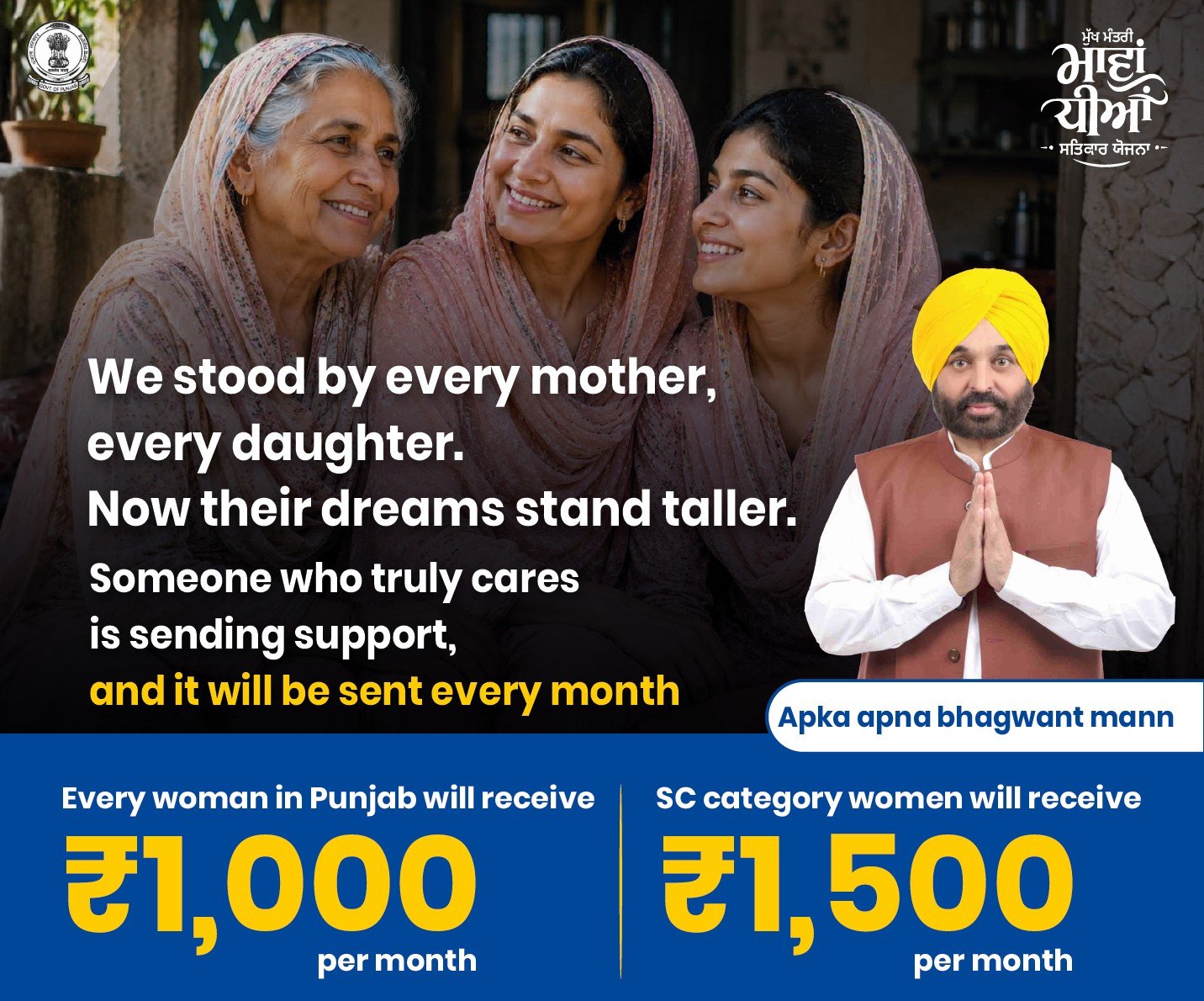
For the BJP, the political message is likely to centre on accountability: whether the Bhagwant Mann government has done enough to contain drug trafficking, protect vulnerable families and dismantle the networks that sustain the trade. For AAP, the challenge will be to demonstrate that its anti-drug initiatives are delivering results on the ground rather than remaining confined to announcements, arrests and political exchanges.
Drugs become a test of governance
Punjab’s drug problem is not a new political issue. Successive governments have faced criticism over addiction, trafficking and the social damage caused to families and communities. The issue has survived changes in political leadership because its consequences reach into villages, towns and households across the state.
For families affected by addiction, the debate is not simply about which party makes the strongest speech. It is about access to treatment, rehabilitation, prevention, employment opportunities for young people and the ability of law-enforcement agencies to disrupt supply networks.
By meeting affected families, Shah can place the human consequences of the crisis at the centre of the BJP’s political argument. Such meetings can also amplify demands for accountability and give families an opportunity to voice concerns that are sometimes lost in the wider political debate.
The government’s response, meanwhile, must be assessed against measurable outcomes: whether trafficking networks are being dismantled, whether treatment facilities are accessible, whether vulnerable young people are receiving support and whether those who report criminal activity can do so safely.
BJP’s strategy: from national leadership to local support
The BJP is seeking to strengthen its organisational presence in Punjab and make itself a more consequential contender in the state’s political landscape. Shah’s visit offers the party an opportunity to combine the visibility of national leadership with an issue that has strong emotional resonance among families.
The BJP has also sought to frame drugs and law and order as evidence of shortcomings in the state government’s performance. The party’s challenge is to turn that criticism into a broader proposition that appeals to voters beyond its existing support base.
Punjab, however, has a political and social landscape that cannot be approached in exactly the same way as other states. Regional identity, agricultural interests, the influence of farmers’ organisations, Sikh political concerns and the strength of established state-level parties all shape voter choices. A campaign led by a prominent national leader can attract attention, but attention alone does not guarantee electoral gains.
The BJP must also explain how its proposed approach would address the crisis in practical terms. Voters may reasonably ask what additional enforcement, rehabilitation, prevention and coordination measures the party would introduce, and how their effectiveness would be measured.
AAP faces pressure to demonstrate results
For Chief Minister Bhagwant Mann and AAP, Shah’s visit is a reminder that drugs and public safety are likely to remain major tests of the government’s record before the election.
AAP can point to its anti-drug actions and other governance initiatives, but its political defence will depend on whether people believe conditions are improving. Families affected by addiction may judge the government not by the number of official statements but by the availability of treatment, the response to complaints and whether young people have realistic alternatives to drug use and trafficking.
The government will also need to distinguish between enforcement statistics and lasting social change. Arrests and seizures can be important indicators of police activity, but they do not alone establish that the wider drug problem has been resolved.
The opposition, for its part, will be expected to offer credible alternatives rather than rely exclusively on criticism. Drug addiction is a long-standing challenge that has crossed party lines and administrations; its resolution requires sustained action beyond an election cycle.
Beyond one visit
Shah’s visit will form part of a larger contest over who can claim the most credible response to Punjab’s drug crisis. The BJP will seek to establish that it can provide stronger leadership and accountability, while AAP will be under pressure to defend its record and show tangible progress.
The larger question is whether the political focus generated by the visit translates into practical improvements for affected families. Any serious response must combine effective policing with treatment, rehabilitation, prevention, community support and opportunities for young people.
As Punjab approaches the 2027 Assembly elections, the drug issue is likely to remain central to political campaigning. But the credibility of every party will ultimately depend on whether its promises can be translated into safer communities and better prospects for families whose lives have been affected by addiction.