Punjab’s decentralized elections for zila parishad and panchayat samiti seats, intended to reinforce grassroots democracy, have become embroiled in controversy as multiple allegations of improper conduct surfaced during polling. Across the state, opposition parties and election observers reported incidents that they claim undermined the fairness of the electoral process, leading to intense political debate and administrative scrutiny.
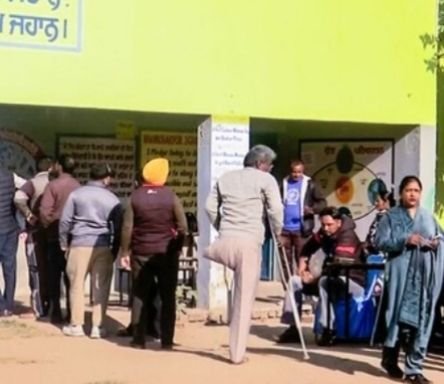
One of the most prominent allegations emerged from Babania village in Muktsar district, where leaders from rival parties accused local representatives and their supporters of “booth capturing.” According to these claims, agents associated with the Aam Aadmi Party (AAP) allegedly forced their way into a polling station, removed authorised polling agents and stamped ballots on behalf of voters. The confrontation reportedly escalated to the point where voting was temporarily halted until law enforcement officials intervened to restore order.
The controversy gained national attention because it involved the brother of an AAP Member of the Legislative Assembly (MLA), whose involvement was cited by opposing parties as proof of improper influence and manipulation. Opposition leaders from the Shiromani Akali Dal and the Congress condemned the incident, demanding an immediate investigation and stringent action against those responsible. They argued that allowing political relatives to interfere in polling activities threatens the sanctity of elections and erodes public trust in democratic institutions.
Additional disruptions were reported in Faridkot and other parts of the Malwa region, where technical faults such as misprinted election symbols and missing ballot supplies led to confusion among voters and calls for repolling in affected areas. In some polling zones, clashes between competing groups further complicated the process and raised questions about the efficacy of security arrangements.
Election officials, however, defended the conduct of the polls. In the case of the ballot photo shared on social media by an AAP candidate from Fatehgarh Sahib, authorities stated that the image was of a practice ballot used for voter education, and not an official ballot in use. Despite this explanation, opposition parties insisted that such actions risked compromising the integrity of the vote by exposing actual ballot layouts before polling began. Officials responded by rotating polling teams and deploying observers to mitigate further lapses.
The controversy over electoral irregularities has amplified existing political tensions in the state. Punjab’s political landscape is already fragmented, with multiple parties vying for influence at both rural and urban levels. The allegations have added fuel to a broader narrative of distrust between the ruling AAP and opposition parties as the state moves closer to key future elections. Analysts assert that how these claims are addressed by authorities will have implications beyond the immediate count, potentially shaping voter perceptions ahead of the 2027 Assembly elections.
Opposition groups have signaled their intention to pursue legal challenges and demand transparent inquiry reports. Meanwhile, election officials maintain that the electoral process will proceed as scheduled, with counting and result declarations to follow established timelines, and have assured the public that each claim of misconduct will be thoroughly reviewed.