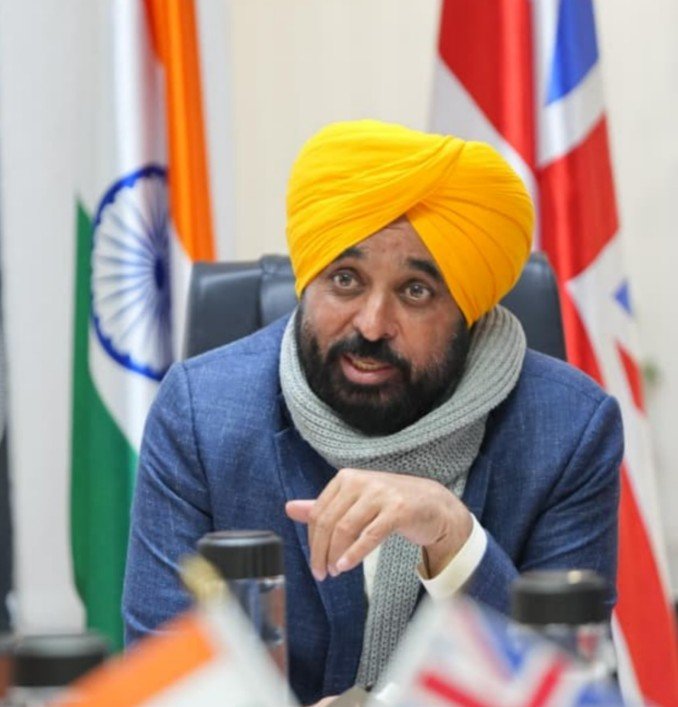
Punjab’s political calendar will pivot sharply toward legislative and fiscal decision-making as the state’s Budget Session is set to convene from March 6 to March 16, 2026, with the annual Budget scheduled for presentation on March 8. The announcement was made by Chief Minister Bhagwant Mann and Finance Minister Harpal Singh Cheema in Chandigarh, setting the stage for critical discussion of economic priorities, social spending, and development strategy for the coming year. The decision to begin the session with the Governor’s address followed by discussions on fiscal policy signals a concentrated effort by the ruling government to lay out its roadmap for continuing welfare agendas such as the ‘Meri Rasoi’ free food kit scheme and other pro-people measures. In addition, the Cabinet has cleared a new excise policy for 2026-27, aimed at raising around ₹12,800 crore in revenue while tightening compliance and curbing illegal trade in alcohol—a sector that contributes significantly to state finances but has also been a matter of enforcement concern. With the BJP and opposition parties poised to critique the government on economic performance, job creation, and law-and-order issues ahead of the 2027 Assembly elections, the Budget Session will be a high-stakes forum for both governance and political messaging. Finance officials have noted that the choice of March 8—a Sunday and International Women’s Day—for the Budget presentation underscores the government’s intent to integrate gender-inclusive economic planning into fiscal priorities. Lawmakers will debate the budget proposals cumulatively over several days, addressing state-wide needs such as health, education, agriculture infrastructure, and security, while also scrutinising administrative performance in areas like public distribution and welfare program effectiveness. With elections on the horizon, the budget is expected to balance populist commitments with fiscal prudence, navigate revenue constraints, and engage with issues raised by experts and civil society regarding growth, investment, and inclusivity. This broad legislative effort reflects a larger narrative of governance positioning and economic planning in a state facing both legacy challenges and opportunities for reform. This is a web generated news report.