

The ongoing military confrontation involving the United States, Iran and regional allies has continued to intensify, with casualties mounting across several countries in the Middle East. According to officials, the death toll among United States troops has now increased after the Pentagon confirmed the death of another American soldier linked to the conflict.
In a statement issued by the United States Central Command (CENTCOM), military officials confirmed that a seventh US soldier has died since hostilities began. The soldier, whose identity has not yet been publicly disclosed, had sustained serious injuries during an attack targeting American forces in the Kingdom of Saudi Arabia on March 1. Military authorities said the soldier was wounded at the site of the attack and later succumbed to those injuries on Saturday.
CENTCOM did not immediately release additional operational details regarding the incident, including the nature of the attack or the group believed to be responsible. However, officials indicated that investigations into the circumstances surrounding the assault on US personnel are ongoing.
The rising number of American casualties reflects the growing scale and intensity of the conflict, which has rapidly spread across multiple areas of the Middle East. Military installations, strategic infrastructure and security forces in several countries have been drawn into the escalating confrontation, heightening fears of a broader regional war.
At the same time, the humanitarian toll of the conflict continues to grow. Reports indicate that the number of people killed in Iran has risen significantly, with the death toll reaching approximately 1,332 since the outbreak of hostilities. Many of those killed were reportedly civilians caught in strikes and retaliatory attacks as the fighting expanded across various parts of the country.
Beyond Iran, other countries in the region have also experienced casualties linked to the widening conflict. At least eleven people have been reported killed across several Gulf states in incidents connected to military operations and retaliatory strikes. In Israel, authorities confirmed that eleven individuals have lost their lives in attacks related to the ongoing hostilities.
The war has triggered a wave of international concern as governments around the world warn that continued escalation could destabilize the entire Middle East. Energy markets, global shipping routes and regional security alliances have already begun to feel the impact of the conflict.
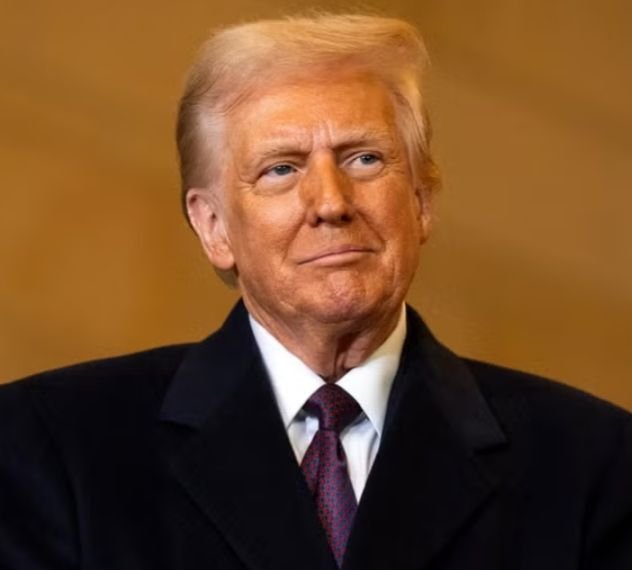
In Washington, the war has also sparked a heated political debate. President Donald Trump has offered several explanations for launching military operations against Iran. In public statements, he has repeatedly cited Iran’s nuclear ambitions as a major concern, along with its ballistic missile program and what he described as decades of destabilizing actions by Tehran across the Middle East since the Islamic Revolution of 1979.
According to the administration, these factors collectively posed a long-term security challenge that justified decisive military action. The White House has argued that Iran’s growing missile capabilities and its network of allied militias across the region threatened both American interests and the security of US allies.
However, critics within the United States have challenged these justifications. A large number of Democratic lawmakers in Congress have questioned the evidence presented by the administration and argued that the government has not clearly demonstrated that Iran posed an immediate or imminent threat that required military intervention.
Several members of Congress have called for greater transparency regarding intelligence assessments that led to the decision to launch strikes. Some have also raised constitutional concerns, arguing that large-scale military action should have required explicit congressional authorization.
As the conflict continues, analysts warn that the rising casualties on all sides could further inflame tensions and reduce the chances of diplomatic de-escalation. The coming weeks are likely to be critical in determining whether the war expands further or whether international pressure pushes the parties toward negotiations.
For now, the increasing death toll among soldiers and civilians alike underscores the growing human cost of a conflict that has already become one of the most dangerous geopolitical crises in the region in recent years.