

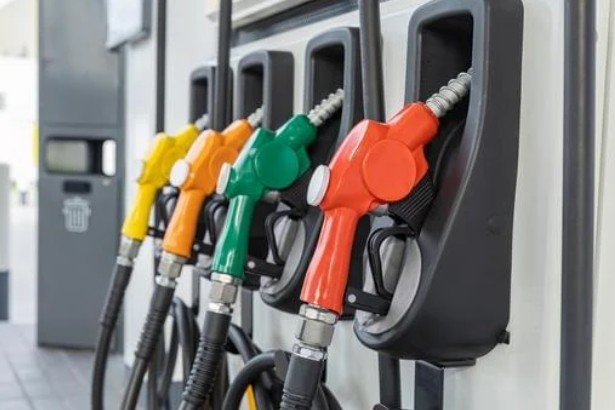
India may soon face an upward revision in petrol and diesel prices as mounting global energy costs strain the financial stability of state-run oil companies, according to government sources and industry analysts closely tracking the situation.
After nearly two years of relative stability in retail fuel rates, the backdrop has shifted sharply. International crude oil prices have surged to levels not seen in four years, briefly touching around $126 per barrel earlier this week before easing slightly but still remaining elevated above $110. This sustained rise is being driven by geopolitical tensions, particularly around the strategically critical Strait of Hormuz, where shipping disruptions have tightened supply chains, and by ongoing friction between the United States and Iran.
For India, which relies heavily on imported crude, the implications are immediate and complex. State-owned oil marketing companies have continued to sell petrol and diesel at largely unchanged prices since April 2022, even as global benchmarks fluctuated widely. This prolonged freeze, initially aimed at shielding consumers from inflationary shocks, has increasingly translated into financial stress for these firms, which are now absorbing the difference between rising input costs and fixed retail prices.
Officials familiar with internal assessments suggest that the current pricing structure may no longer be sustainable if global crude remains elevated. While no formal announcement has been made, there is a growing acknowledgment within policy circles that a recalibration of retail fuel prices could be imminent.
The timing of any such decision carries political as well as economic significance. Analysts have long speculated that fuel price adjustments are often deferred during sensitive electoral periods. With major state elections, including those in West Bengal, having influenced pricing strategies in the past, some market observers believe that a post-election window could provide the government with greater flexibility to act.
Beyond domestic considerations, global market dynamics continue to exert pressure. The partial disruption of oil flows through key maritime routes has heightened concerns about supply security, while stalled diplomatic engagement between Washington and Tehran has added uncertainty to future output levels. Together, these factors have contributed to a volatile pricing environment that leaves importing nations like India particularly exposed.
Economists warn that any increase in petrol and diesel prices could have cascading effects across the broader economy. Higher fuel costs typically translate into increased transportation expenses, which in turn can push up the prices of essential goods and services, complicating inflation management efforts. At the same time, delaying adjustments risks deepening financial imbalances within the energy sector.
The government thus faces a delicate balancing act—protecting consumers from sudden price shocks while ensuring the long-term viability of public sector oil companies. Industry experts suggest that a calibrated approach, possibly involving phased price revisions or targeted fiscal measures, could be explored to soften the impact.
For now, uncertainty prevails. But with global crude markets remaining volatile and domestic cost pressures intensifying, the likelihood of a shift in India’s fuel pricing policy appears stronger than at any point in recent months.