Punjab’s long-running battle against drugs has once again moved to the centre of the state’s political debate following the death of Gulzar Singh, a Sangrur resident who had publicly questioned Finance Minister Harpal Singh Cheema over the availability of drugs.
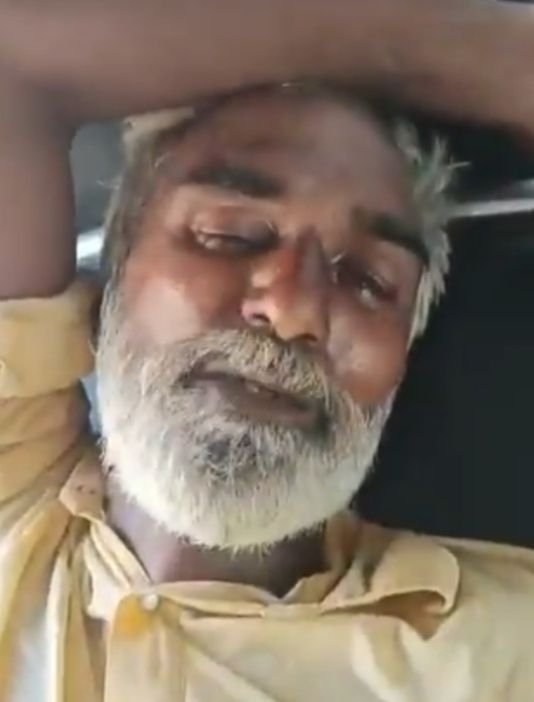
Singh, 47, allegedly consumed a poisonous substance after raising concerns about his son’s drug addiction and the availability of ‘chitta’ in his village. He later died at a hospital in Ludhiana.
In a video recorded before his death, Singh alleged that he had faced pressure and threats after publicly raising the issue. Police have described the death as a case of suicide and said further action would depend on statements from the family. The allegations surrounding the circumstances preceding his death are being investigated.
The incident has quickly become a political flashpoint because it occurred in Sangrur, the home district of Chief Minister Bhagwant Mann, and because the deceased had raised the drug issue directly with a senior Cabinet minister.
Cheema has denied any connection with Singh’s death and said he had directed the police to take action against drug suppliers.
Opposition parties, however, have seized on the incident to question the government’s claims about its campaign against drugs. Congress and Shiromani Akali Dal leaders have accused the AAP government of failing to adequately address the drug problem. These remain political allegations, while the investigation into Singh’s death is continuing.
The controversy comes at an especially difficult time for the Mann government. Drugs were one of the most politically important issues in the 2022 election, when AAP promised strong action against the drug trade.
The government has since repeatedly highlighted police action against traffickers and its campaign against narcotics. But for the opposition, individual cases involving families affected by addiction provide an opportunity to challenge the government’s claim of progress.
The Sangrur episode has also raised questions about emergency medical care after reports that Singh was taken to more than one hospital before being shifted to the Dayanand Medical College and Hospital in Ludhiana.
The political consequences may extend beyond the immediate controversy.
For AAP, the challenge is to demonstrate that its anti-drug campaign is producing measurable results while ensuring that people who raise concerns about the problem feel able to approach public representatives without fear.
For Congress, BJP and SAD, the case offers a potent political issue ahead of the 2027 election.
The deeper question, however, goes beyond party politics: whether Punjab’s governments can address the social and economic conditions that allow drug addiction and trafficking to remain such a persistent problem.
The death of Gulzar Singh has once again brought that unresolved question into the political spotlight.