
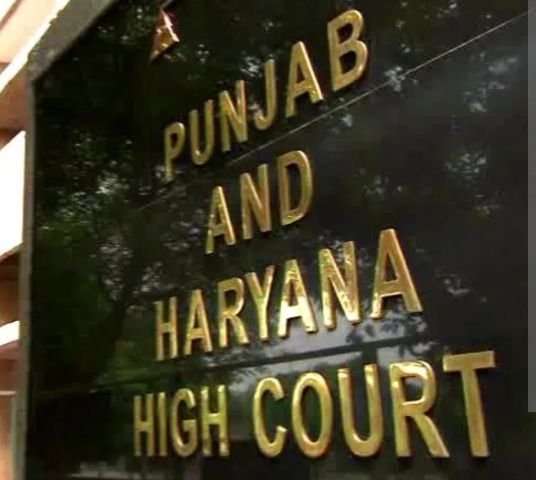
The Punjab and Haryana High Court has extended its interim order staying the recruitment of psychologists through outsourcing in Punjab, pushing the matter to the next date of hearing in March. The court’s decision comes amid legal challenges to the state government’s move to halt a concluded recruitment process and replace it with outsourced appointments.
The case was brought before the court by candidates who had applied for psychologist posts advertised in 2025. The recruitment process, which aimed to fill 343 positions, had progressed through multiple stages including a written examination, counselling, document verification and preparation of a final merit list. Results of the written test were declared in June, and the process was considered nearly complete, with only appointment letters remaining to be issued.
However, in December 2025, the state government abruptly cancelled the recruitment, citing administrative reasons. On the same day, it issued directions to immediately engage 200 counsellors or psychologists through outsourcing to work in de-addiction, rehabilitation and OOAT centres across Punjab. This move led to widespread dissatisfaction among selected candidates, who argued that their rights were adversely affected.
During the hearing, petitioners stressed the urgent need for qualified psychologists in the state, pointing to the growing drug abuse problem and mental health crisis. They argued that keeping sanctioned posts vacant while opting for outsourcing would weaken public health services and undermine transparency in recruitment.
The matter was heard by a bench led by Justice Namit Kumar. The state government maintained that psychologists were essential for ongoing mental health initiatives and campaigns, and that outsourcing was a temporary arrangement to ensure uninterrupted services. However, the court chose to continue the interim stay, effectively putting the outsourcing-based recruitment on hold until the matter is examined in detail.
The case has drawn significant attention, as it raises larger questions about recruitment integrity, administrative decision-making, and the balance between urgent service delivery and the rights of candidates selected through a formal process.