Saptrishi Soni
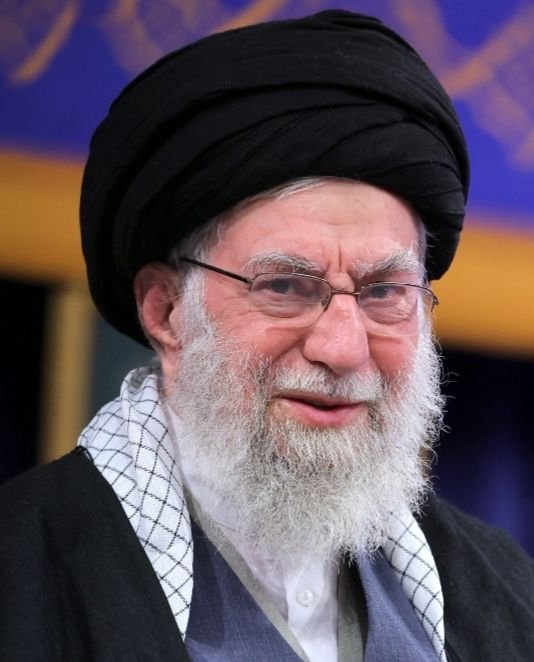
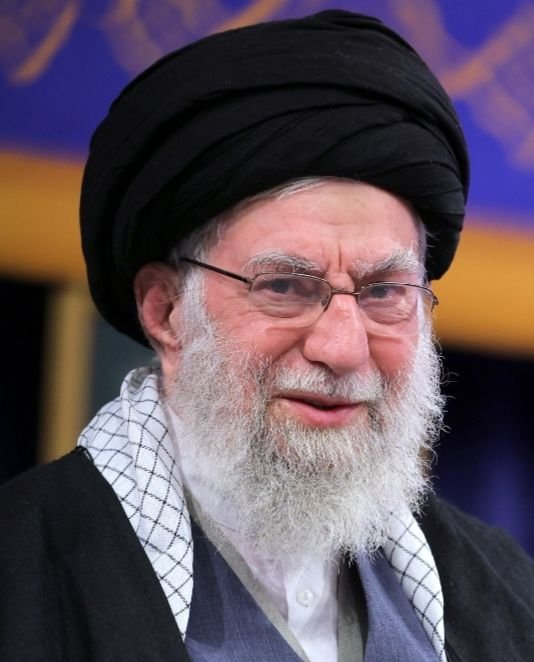
Trump Claims Death of Iran’s Supreme Leader in US–Israel Operation; Iranian Media Confirms Killing of Family Members in Strikes
A dramatic escalation in Middle East tensions unfolded after former US President Donald Trump announced that Iran’s Supreme Leader, Ayatollah Ali Khamenei, had been killed in a joint military operation carried out by the United States and Israel. The statement, made shortly after coordinated military strikes, has sent shockwaves across the region and triggered intense global diplomatic reactions.
According to Trump’s announcement, the operation was launched as a joint US–Israel mission targeting Iran’s top leadership structure. He claimed that the 86-year-old Supreme Leader was eliminated during the strikes, describing the operation as a decisive blow against Iran’s leadership. The claim, however, has not been officially confirmed by the Iranian state at the highest level, leading to uncertainty and rapidly evolving narratives.
While Iran has not issued a formal confirmation regarding the death of Ayatollah Khamenei himself, Iranian media outlets have reported the killing of close members of his family. Reports published by Fars News Agency and other Iranian sources stated that Khamenei’s daughter, son-in-law, and granddaughter were killed in the US–Israel strikes.
In a report citing sources close to the Supreme Leader’s household, Iranian media said that confirmation had been received after contact with informed individuals within the family circle. The report described the deaths as a “martyrdom,” a term commonly used in Iranian political and religious discourse, especially in the context of military and political conflict.
The timing of these reports has intensified speculation and uncertainty. Trump’s statement came first, claiming the death of Khamenei, followed by Iranian media confirming the killing of his family members but stopping short of officially confirming the Supreme Leader’s death. This gap between claims and confirmations has created a volatile information environment, with global media, governments, and intelligence agencies closely monitoring developments.
If Trump’s claim is verified, it would mark one of the most consequential geopolitical घटनाएँ (events) in modern Middle Eastern history. Ayatollah Khamenei has been Iran’s Supreme Leader since 1989 and is not only the highest political authority in the country but also the central religious figure in Iran’s political system. His leadership has shaped Iran’s domestic policies, military strategy, nuclear ambitions, and regional influence for more than three decades.
The reported killing of his family members already represents a major symbolic and political blow. In Iran’s ideological structure, the Supreme Leader’s family holds deep emotional, religious, and political significance. Their deaths are likely to inflame public sentiment, strengthen hardline narratives, and intensify calls for retaliation.
Internationally, the development has triggered serious concerns about the risk of full-scale regional war. A confirmed killing of Iran’s Supreme Leader would almost certainly provoke massive retaliation from Iran and its allied groups across the Middle East, including in Lebanon, Syria, Iraq, and Yemen. It would also dramatically raise the risk of a wider international conflict involving major global powers.
Diplomatic channels are reportedly under extreme pressure, with several countries urging restraint and verification before any further escalation. Analysts warn that misinformation or premature claims in such a high-stakes situation can themselves become catalysts for الحرب (war), especially in an already volatile geopolitical environment.
From a strategic perspective, the alleged joint US–Israel operation, if confirmed, represents a historic shift in military doctrine, signaling direct targeting of top leadership rather than proxy or infrastructure targets. Such a move would fundamentally alter the nature of conflict in the region.
At present, the situation remains fluid. Trump’s claim has not been independently verified by international agencies or Iranian state leadership announcements. However, the confirmed reports of the deaths of Khamenei’s close family members already indicate the scale and intensity of the strikes.
As the world waits for official confirmation and further statements from Tehran, Washington, and Tel Aviv, the region stands at a critical crossroads. Whether this moment becomes the beginning of a larger war or a turning point toward forced diplomacy will depend on the next few decisions taken by global and regional powers.
What is certain is that the reported events have already reshaped the geopolitical landscape, creating a moment of historic uncertainty with consequences that could extend far beyond the Middle East.