

Patiala/Nabha, In a major political development in Punjab, senior Shiromani Akali Dal leader and former minister Bikram Singh Majithia walked out of Nabha Central Jail today after being released on bail. His release has quickly become a crucial flashpoint in Punjab’s political landscape, triggering intense reactions from both the opposition and the ruling Aam Aadmi Party (AAP), and adding fresh momentum to the broader narrative of law, order and political rivalry in the state.
Majithia, a towering figure in Akali politics and a key leader of the opposition, had been incarcerated in connection with ongoing legal cases involving allegations of disproportionate assets linked to earlier investigations. The Supreme Court’s bail order — granted after a protracted legal battle — paved the way for his release this morning. Upon exiting the jail, Majithia addressed a gathering of supporters, media personnel, and party workers, delivering a strongly worded critique of the Punjab government, led by Chief Minister Bhagwant Mann.
In his first public remarks since release, Majithia accused the state government of politicising legal proceedings to stifle dissent and target political opponents. “Today’s release is not just about one person,” he said, “but about upholding democratic values and resisting political victimisation.” Majithia’s statement quickly resonated with Akali Dal and BJP leadership, who have rallied behind him, describing the legal process as marred by bias and selective prosecution.
Opposition leaders have seized the moment to attack the AAP government’s record on governance, law enforcement, and institutional autonomy. In a series of media engagements following Majithia’s release, senior Akali and BJP figures criticised the Mann administration’s handling of high-profile cases, accusing it of leveraging investigative agencies for political ends. Some commentators have framed Majithia’s release as a significant morale booster for opposition ranks, particularly as political alignments begin to crystallise ahead of the 2027 electoral cycle.
The ruling AAP, however, has dismissed these charges as attempts to distort public perception. Party insiders emphasise that judicial processes are independent and that law enforcement agencies acted on evidence and legal merits, not political directives. AAP spokespeople also underscored that the government respects the court’s decision and remains committed to upholding the rule of law. They insisted that dissent and criticism are integral to democratic discourse, but they rejected any suggestion that judicial outcomes can be interpreted as vindication of political narratives.
Legal analysts observing the case note that bail orders do not equate to acquittal, and the substantive trial proceedings against Majithia’s alleged offences will continue in lower courts. They also cautioned that public statements by political leaders — especially those laden with electoral rhetoric — could further polarise public opinion rather than clarify the legal issues at hand.
Nevertheless, Majithia’s release has already impacted political discourse across Punjab. Opposition leaders are planning a series of public meetings and rallies in the coming weeks, framing the release as a symbolic victory against political repression. Akali Dal insiders suggest that Majithia’s rehabilitation into active politics could strengthen the anti-AAP coalition by consolidating traditional voter bases and attracting undecided voters disillusioned with the current government.
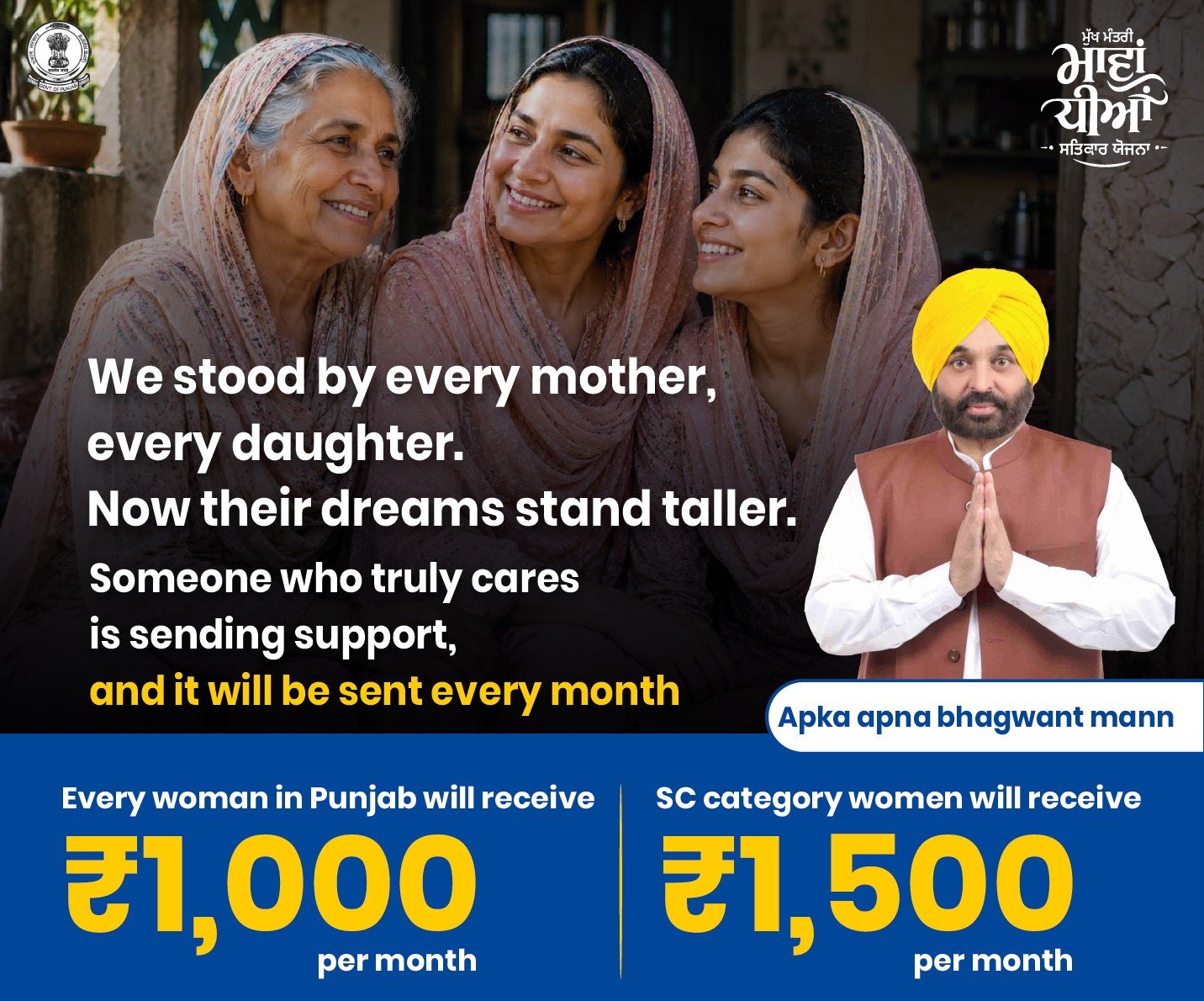
Meanwhile, the Mann administration has signalled a focus on governance messaging, highlighting achievements in areas such as education, health, and social welfare. AAP leaders have reiterated that judicial outcomes reflect the functioning of democratic checks and balances, and they stressed that public policy should remain centred on socio-economic development rather than political controversy.
Political experts say that Majithia’s freedom is likely to reverberate through Punjab’s political narrative over the coming months. The timing — within a year of pivotal national and state elections — adds salience to the event, making it a key reference point in debates on justice, accountability, and political legitimacy. Whether this episode translates into a broader shift in voter sentiment remains to be seen, but for now, the political temperature in Punjab has undeniably risen.