
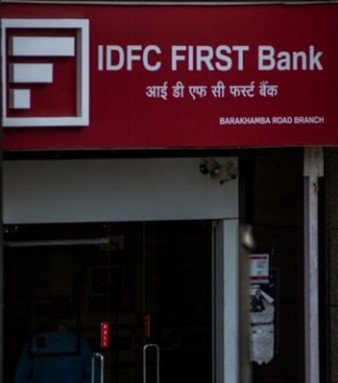
In a major financial development with significant implications for Haryana’s administrative and banking oversight systems, IDFC First Bank has disclosed a ₹590 crore fraud involving certain Haryana government-linked accounts operated through its Chandigarh branch, according to a regulatory filing submitted in the early hours of Sunday; this web generated news report highlights that the private sector lender has clarified the irregularities are limited to a specific cluster of government-associated accounts and do not impact other customers of the Chandigarh branch, thereby containing broader systemic risk concerns. The bank stated that a preliminary internal review revealed prima facie evidence of unauthorised and fraudulent transactions allegedly carried out by certain employees posted at the branch, potentially in collusion with other external individuals or entities, prompting immediate corrective measures including the suspension of four officials, initiation of a forensic audit, notification to the banking regulator, and registration of a police complaint to trigger a criminal investigation. The suspected fraud surfaced when a Haryana government department requested closure of its account and transfer of funds to another bank, during which discrepancies were noticed between the reported balance and the actual funds reflected in the account, leading to deeper scrutiny that uncovered similar irregularities in other state government-linked accounts that had been operational with the bank, particularly around mid-February interactions. While the current estimated exposure stands at ₹590 crore, the bank has emphasized that the final figure will be determined after a comprehensive reconciliation process involving validation of claims, assessment of transactional trails, and possible recoveries; in parallel, IDFC First Bank has begun issuing recall notices to beneficiary banks in an effort to trace and retrieve diverted funds, underscoring the seriousness of the breach. From a governance and public finance perspective, the incident raises pressing questions about internal controls, dual authorization mechanisms, and treasury oversight in government-linked banking operations in Haryana, even as the bank has sought to reassure stakeholders that the matter is isolated and does not extend beyond the identified accounts. Market observers note that swift regulatory reporting, forensic auditing, and cooperation with law enforcement will be crucial in containing reputational damage and restoring confidence, especially at a time when transparency and compliance standards are under heightened scrutiny across India’s banking and financial services sector.
| Web Generated News Report |