
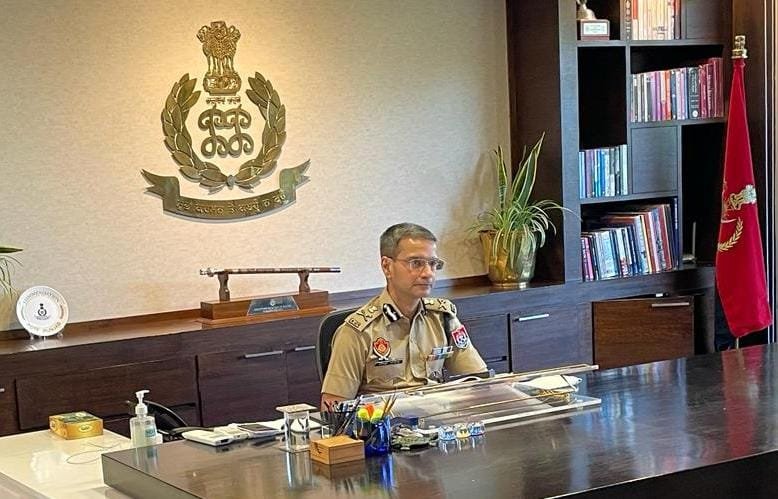
Punjab’s Director General of Police Gaurav Yadav on Tuesday confirmed that an improvised explosive device was used in the late-night blast near the cantonment area in Amritsar, describing the incident as part of a broader security challenge linked to cross-border elements. The disclosure has added a new dimension to the investigation, which is now being pursued with heightened urgency by state and central agencies.
The explosion, which occurred in the Khasa area on Monday night, triggered immediate deployment of police, bomb disposal teams, and forensic experts. While no casualties were reported, the nature of the device and its proximity to a sensitive military installation have raised serious concerns about the intent behind the attack.
Speaking after visiting the site, the DGP said that investigators had gathered “vital leads” and that a technical probe was underway to identify those responsible. He noted that early indications suggest the involvement of hostile elements operating from across the border, alleging that the attack bore the hallmarks of a coordinated attempt to destabilise the region.
Yadav further stated that the timing of the incident appeared significant, coinciding with the anniversary of Operation Sindoor, and suggested that such acts were part of a sustained strategy to create unrest. He characterised the situation as a form of proxy conflict, with Punjab—given its geographical position—remaining particularly vulnerable to such tactics.
According to the police chief, agencies have observed attempts by Pakistan-based operatives to amplify fear through digital channels, including circulating videos of explosives and targeting symbolic or strategic locations. He warned that such efforts are aimed not only at causing physical damage but also at shaping perception by portraying Punjab as unstable.
The DGP also held a series of high-level meetings with officials from the Army and the Border Security Force to review existing security arrangements along the border belt and to enhance coordination between agencies. Surveillance measures are being reinforced, and intelligence-sharing protocols are being tightened in response to the evolving threat landscape.
In a related development, Yadav confirmed that both the Khasa explosion and the earlier blast reported in Jalandhar involved the use of improvised explosive devices. However, he clarified that investigators have not yet established a definitive link between the two incidents. Forensic analysis and technical data are being examined to determine whether they were part of a coordinated operation or separate acts.
Security experts note that the use of IEDs near strategic installations represents a significant escalation in tactics, even in the absence of casualties. The focus of the ongoing investigation is therefore not only on identifying the perpetrators but also on understanding the broader network, if any, that may be facilitating such attacks.
Authorities have urged the public to remain vigilant while avoiding panic, emphasising that all necessary measures are being taken to ensure safety. As the investigation progresses, the findings are expected to play a crucial role in shaping future countermeasures in one of India’s most sensitive border regions.