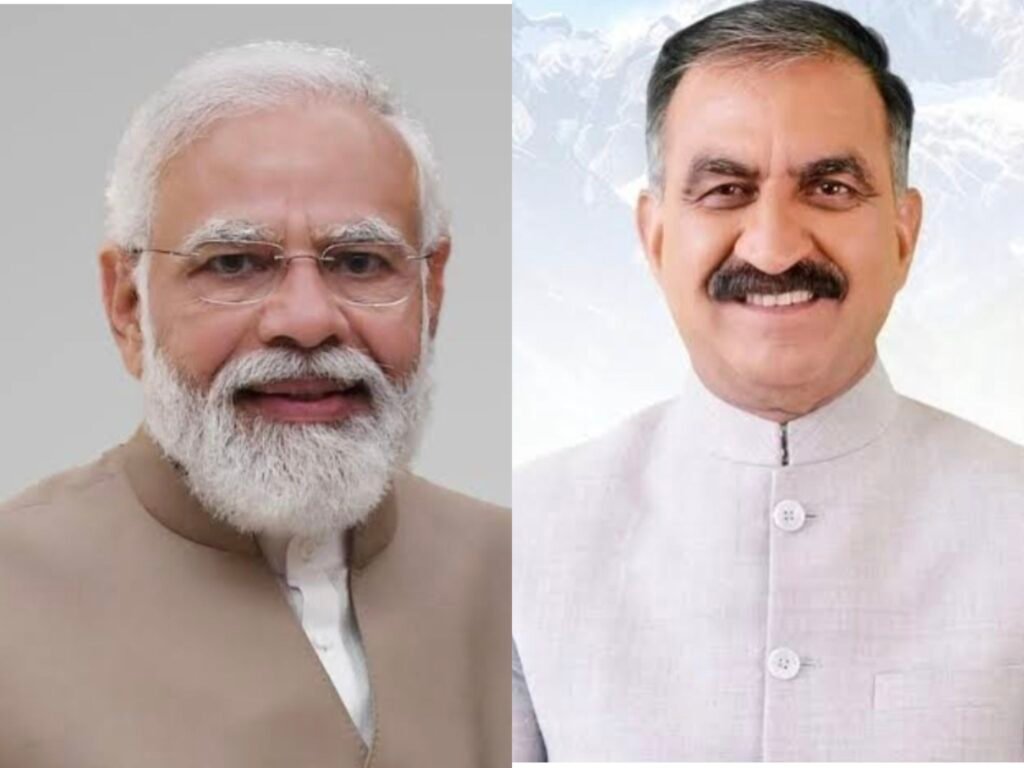
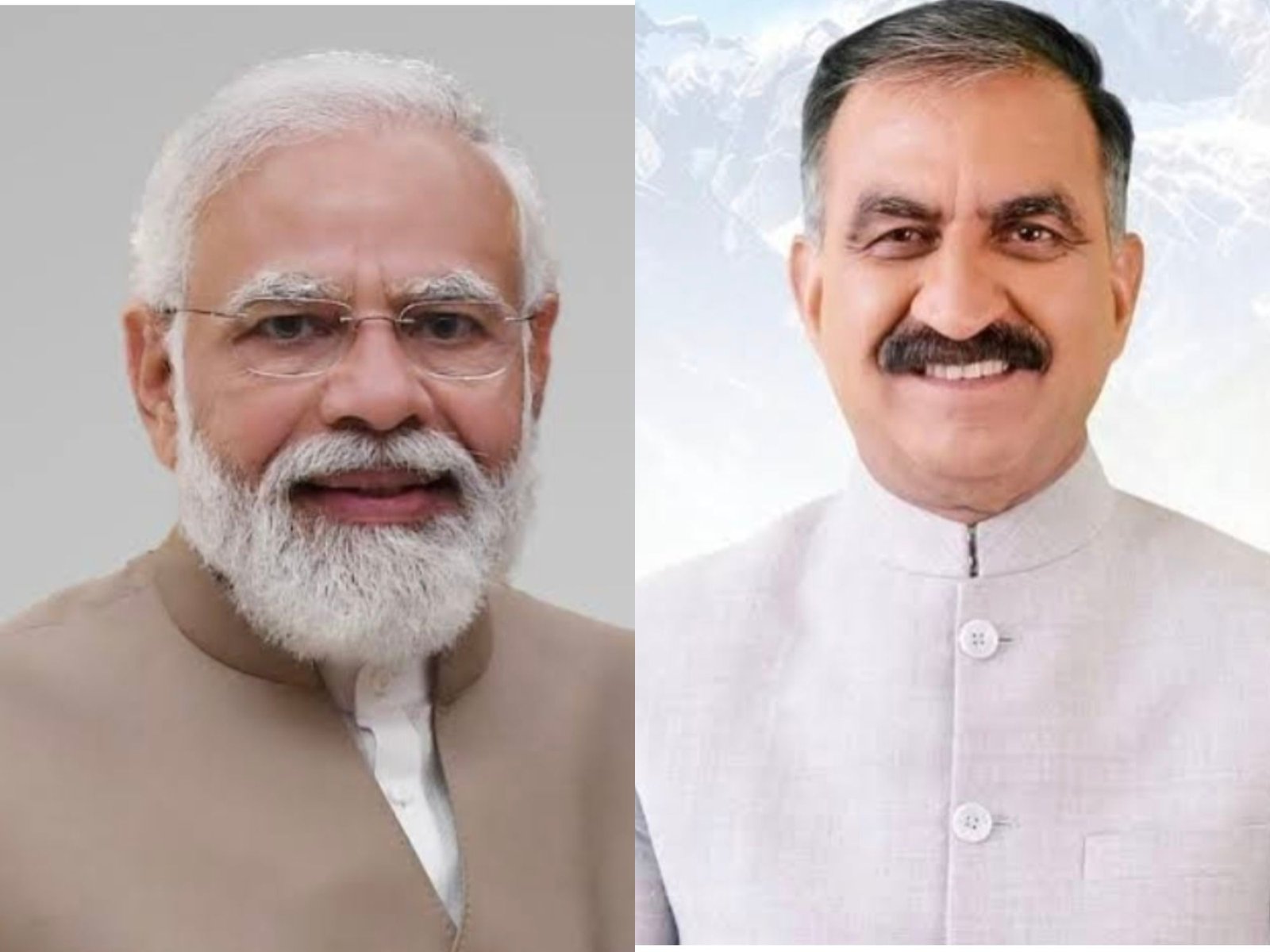
In a significant financial boost for the hill state, the Central Government under the leadership of Narendra Modi has approved ₹3,920 crore for Himachal Pradesh under a key development-linked scheme. The decision comes at a crucial time when the state has been grappling with fiscal constraints, particularly after the discontinuation of Revenue Deficit Grant (RDG), which had long been a critical support mechanism for its finances.
The approved funds are expected to play a vital role in stabilizing the state’s financial position while ensuring that ongoing development works do not suffer due to resource limitations. Himachal Pradesh, being a special category state with difficult terrain and limited revenue generation capacity, has historically depended on central assistance to maintain fiscal balance and sustain growth.
With RDG now discontinued, the state government had been facing mounting pressure to manage its expenditure commitments, including salaries, pensions, infrastructure development, and welfare schemes. In this context, the fresh infusion of ₹3,920 crore is being seen as a much-needed relief that will help bridge the fiscal gap and restore momentum in governance and development activities.
Sources indicate that the funds will be utilized across multiple sectors, including infrastructure development, rural connectivity, healthcare, education, and social welfare schemes. Priority is likely to be given to projects that have direct public impact, especially in remote and underserved regions of the state. This aligns with the Centre’s broader vision of inclusive development and last-mile delivery of essential services.
The financial assistance is also expected to strengthen the state’s ability to undertake capital expenditure, which is crucial for long-term economic growth. Investments in roads, power, water supply, and digital infrastructure will not only improve quality of life for residents but also enhance the state’s attractiveness for tourism and investment.
Importantly, this move signals continued support from the Centre towards Himachal Pradesh, even in the absence of RDG. Policy experts believe that such targeted financial interventions can help states transition more effectively from dependency-based grants to performance-driven funding mechanisms.
The decision also carries political significance, as it reinforces the Centre’s commitment to supporting hill states that face unique geographical and economic challenges. It may further help in strengthening cooperative federalism, where both the Centre and states work in tandem to achieve development goals.
For the Himachal Pradesh government, this funding approval offers breathing space to recalibrate its financial strategy. It provides an opportunity to streamline expenditure, prioritize critical sectors, and improve fiscal discipline while continuing to meet the expectations of the public.
Overall, the ₹3,920 crore package is not just a financial allocation but a strategic intervention aimed at ensuring that Himachal Pradesh continues on its path of development despite structural fiscal challenges. In the post-RDG scenario, such support is likely to play a defining role in shaping the state’s economic stability and growth trajectory in the coming years.