
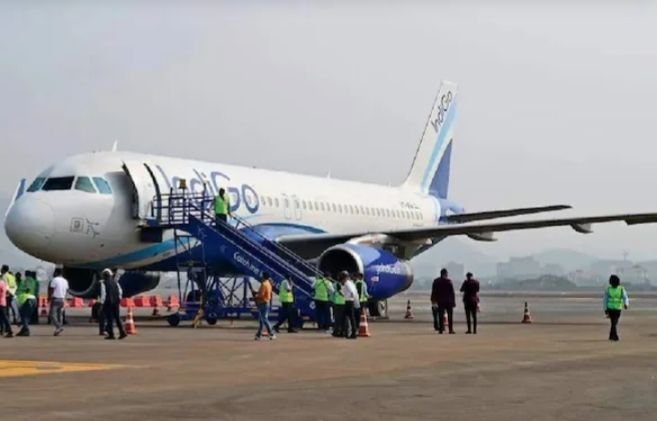
What began as operational turbulence in one carrier has metastasized into a national travel crisis. Over the past few days IndiGo — India’s largest scheduled airline — cancelled hundreds of flights, leaving thousands stranded at airports, triggering chaotic scenes at gates, and forcing desperate passengers to pay vastly inflated fares to reach their destinations. Independent reporting shows cancellations ran into the several hundreds on consecutive days, with major airports such as Delhi, Mumbai, Bengaluru and Hyderabad particularly affected.
At the heart of the disruption are two interlinked issues: a sharp shortage in available crew rostering under newly enforced flight-duty rules, and apparent planning or scheduling gaps in the carrier’s operations. IndiGo itself has acknowledged planning gaps and informed the regulator that it expects to stabilise operations only after some time. Meanwhile, the airline has told the DGCA that full normalcy may take days to weeks to restore.
The human cost of this systemic failure is stark. Reports and on-the-ground footage show exhausted travellers sleeping on terminal floors, families missing weddings and hospital appointments, and last-minute rebookings at eye-watering prices — sometimes many times the original fare. High-profile social-media posts echo ordinary passengers’ accounts of paying steep sums (reported anecdotes include fares rising into tens of thousands of rupees for domestic hops), or waiting in long, ill-informed queues. This is not a mere inconvenience — for some it is financial ruin, emotional trauma and life plans unravelled.
Why did the market respond with predatory fares? When one dominant airline cancels large chunks of capacity, scarcity drives up last-minute prices on remaining seats across carriers. Some competing airlines appear to have monetised this sudden scarcity rather than coordinating compassionate relocations for stranded flyers. Several outlets documented dramatic fare spikes and a scramble for alternate travel options (trains, buses), showing how market dynamics punished the most vulnerable travellers. In a competitive market, such behaviour is legal (market clearing prices), but it poses ethical questions about industry conduct during crises.
What about the regulator — the DGCA? Crucially, the Directorate General of Civil Aviation did not remain passive. DGCA summoned IndiGo management for explanations, ordered the airline to present mitigation plans, and said it would closely monitor fares and operations. The regulator also confirmed that a significant number of cancellations in prior months were linked to Flight Duty Time Limitation (FDTL) constraints that came into force. Still, many passengers and observers perceive the DGCA’s response as reactive and slow — constrained to oversight and advisories rather than immediate consumer relief or price controls. That gap between action and public expectation is fuelling anger.
A few structural lessons are obvious and urgent:
1. Regulatory foresight and implementation coordination: New safety rules (like FDTL and fatigue limits) are essential for crew welfare and passenger safety. But they require transitional planning and active coordination between regulator and operators. Sudden enforcement without staged operational contingencies can create systemic shocks. Pilot duty rules may be non-negotiable for safety, yet their operational rollout needs better buffer planning — reserve crew pools, staggered phase-ins, temporary exemptions with strict monitoring — to avoid catastrophic capacity shortfalls.
2. Mandatory consumer protection protocols during mass disruption: Airlines must have pre-approved, enforceable contingency protocols: immediate re-accommodation, hotel and meal entitlements, and transparent refund and rebooking pathways. Regulators should require these as part of licensing, with penalties for non-compliance. Media accounts suggesting passengers were repeatedly left without clear assistance point to gaps in on-ground implementation.
3. Market conduct under scarcity: The surge in fares across carriers raises a policy question: should extraordinary market conditions trigger temporary market-conduct safeguards to prevent price gouging on essential travel (medical emergencies, urgent family situations)? The line between free-market response and exploitative behaviour is thin in crises; regulators must be prepared to intervene or at least require transparent reporting from carriers about inventory and pricing during declared emergencies.
4. Communication and crisis management: The most reported grievance was lack of timely information. Effective crisis playbooks include proactive passenger communication (automated alerts, rebook windows, hotline escalation), centralised airport control rooms and trained staff empowered to implement relief measures. The episodes of confusion and passengers sleeping at gates reflect an institutional failure in passenger care, not just scheduling.
Finally, the political and reputational dimension cannot be ignored. A mass travel breakdown that visibly inconveniences millions becomes a governance issue: citizens expect both industry and state institutions to protect them. While safety rules should not be sacrificed, neither should passengers be left to shoulder the full cost of transitions. The DGCA’s supervisory role must be assertive and visible; if it is perceived as merely issuing advisories, public trust will erode quickly.
The IndiGo crisis is a painful reminder that complex modern services depend on resilient systems, not only rules. The remedy requires better operational planning by carriers, stricter enforceable consumer protection by the regulator, and contingency thinking that places people — not just schedules or profits — at the centre. If those lessons are not learned, the next shock will likely be harsher still.