
In a dramatic and rapidly evolving situation early on January 3, 2026, the United States has launched military strikes inside Venezuela, triggering explosions over the capital Caracas and several other regions, and significantly raising tensions between the two countries. Venezuelan authorities have denounced these actions as “military aggression”, while the U.S. government has offered limited public comments beyond statements from President Donald Trump.
The escalation marks the most serious confrontation in months of growing friction between Washington and Caracas. Long-standing political disputes, sanctions, and accusations of drug trafficking had already strained relations, but the recent attacks represent a major leap toward open conflict.
What Happened in Venezuela
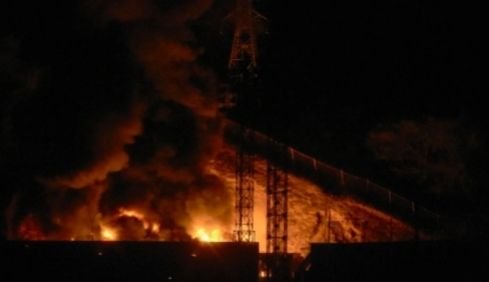
Early Saturday morning, residents of Caracas and nearby states including Miranda, Aragua and La Guaira reported multiple explosions and loud aircraft noise. Military bases such as the Fuerte Tiuna and La Carlota airfields were reportedly targeted, and significant smoke was seen rising over key installations. Power outages affected parts of the capital, and videos circulating on social media showed aircraft activity above the city.
In a public announcement, President Trump said that U.S. forces had conducted a “large-scale strike” and claimed that Venezuelan President Nicolás Maduro and his wife had been captured and removed from the country. While these claims have been widely reported, the U.S. government’s official statements have so far been limited, with key details still unclear.
Venezuela’s government immediately rejected the strikes as “military aggression” and an affront to its sovereignty. President Maduro declared a state of emergency, mobilised defence forces, and called on citizens and political groups to unite in opposition to what Caracas described as an imperialist offensive aimed at controlling Venezuela’s resources, particularly oil and minerals.
Background to Escalation
Tensions between the U.S. and Venezuela have been building throughout 2025. After Maduro’s controversial third-term inauguration in January 2025, the United States and other Western governments imposed sanctions on Venezuelan officials and refused to recognise his presidency. Washington also increased a bounty for Maduro’s capture and accused his government of supporting narco-terrorism.
The Trump administration has been intensifying military and economic pressure through various measures, including naval deployments in the Southern Caribbean and repeated strikes against what it described as narco-trafficking vessels. These actions, part of a broader campaign the U.S. termed “Operation Southern Spear”, were presented by Washington as efforts to combat drug trafficking but were fiercely rejected by Caracas, which accused the U.S. of destabilising the region.
In response, Venezuela has mobilised troops and militia forces and repeatedly warned that any direct attack would be met with armed resistance. In late 2025, Venezuelan authorities raised military alert levels, reinforcing coastal defences and preparing for potential confrontations.
International and Regional Reactions
The strikes and subsequent reactions have sent shockwaves across the region. Venezuela has sought international support, condemning the actions as violations of international law. Global powers such as Russia and China have criticised the U.S. military presence in the Caribbean, warning of potential threats to peace and stability in the region.
Neighbouring countries are also watching closely. The President of Colombia, Gustavo Petro, reportedly called for an emergency session of the United Nations Security Council, emphasising the need for urgent diplomatic intervention as explosions were heard in the Venezuelan capital.
Human and Political Impact
Casualty figures from the strikes have not been officially confirmed, but power disruptions and civilian distress have been widely reported. The Venezuelan government’s declaration of a national emergency indicates the seriousness with which it views the situation and its efforts to rally public resilience.
Domestically, the crisis has deepened political divisions and fuelled fears of a wider confrontation. Critics of the U.S. actions point to the potential for protracted conflict, warning that what began as counter-narcotics efforts could spiral into a more extensive regional crisis.
What Comes Next
The exact trajectory of this conflict remains uncertain. Diplomatic channels are under strain, and military movements continue to draw international scrutiny. The United States has not provided a detailed public account of its military operations, and global organisations such as the United Nations may be called upon to mediate or address the emerging crisis. The situation continues to unfold, with the potential for significant geopolitical repercussions.
In summary, the recent U.S. strikes on Venezuela and the subsequent declaration of a national emergency by Caracas mark a dangerous new chapter in U.S.–Venezuela relations, raising urgent questions about sovereignty, regional stability, and the prospects for peace.